


Table of Contents
- Why Gold-Plated Jewelry Requires Gentle Care
- The Difference Between Gold-Filled and Gold-Plated
- Can You Use Polishing Cloths on Gold Plating Safely?
- How to Clean Gold-Plated Jewelry at Home
- How to Prevent Gold Plating from Fading
- Does Gold-Plated Jewelry Turn Skin Green?
- Materials to Avoid When Cleaning Gold Plating
- Storage Best Practices to Prevent Tarnish
- Frequently Asked Questions
Last Updated: September 27, 2026
Why Gold-Plated Jewelry Requires Gentle Care
Gold-plated jewelry sits on a delicate balance. The layer of gold is thin, measured in microns, not millimeters. Underneath lies base metal, usually stainless steel or brass. That thin protective coating is what makes the piece beautiful. It's also what makes it vulnerable.
When you own gold-plated jewelry, you're caring for a layered structure, and understanding is it safe to use polishing cloths on gold plating is essential to preserving it. The gold itself doesn't tarnish easily. But the base metal underneath can oxidize. That oxidation shows through worn spots. Once the plating wears away, it's gone. You can't simply polish it back.
This is why gold-plated pieces demand a different approach than solid gold. Solid gold can handle aggressive cleaning. Polishing cloths, chemical cleaners, even mechanical scrubbing, solid gold survives it all. Gold plating cannot.
At Zoha Los Angeles, we craft each piece with tarnish-resistant finishes and hypoallergenic materials to ensure lasting elegance and comfort for every customer. That means understanding what threatens them.
The core issue is friction. Every time you rub a polishing cloth across gold plating, you remove a tiny amount of that protective layer. Do it once, and the piece still shines. Do it repeatedly, and you'll see the base metal start to show through. That's the real danger with polishing cloths.
The Difference Between Gold-Filled and Gold-Plated
Understanding the difference between gold-filled and gold-plated matters because it changes how you care for your jewelry.
Gold-plated jewelry has a thin electroplated layer of gold bonded to a base metal. The plating thickness is typically less than 2.5 microns. That's incredibly thin, thinner than a human hair. This thin layer gives the piece its color and shine. But it wears away with time and use.
Gold-filled jewelry has a much thicker layer of gold mechanically bonded to a base metal. The gold layer must be at least 5% of the total weight. That's roughly 100 times thicker than plating. Gold-filled pieces last longer because they have more gold to lose before the base metal shows through.
The practical difference: gold-filled jewelry can handle more aggressive cleaning. You can use gentle polishing cloths on gold-filled pieces without worrying as much about wearing through the layer. Gold-plated pieces need softer handling.
Both types require care. Both can tarnish if the base metal oxidizes through scratches or worn spots. But gold-filled gives you more margin for error. With gold plating, every cleaning decision matters.
Can You Use Polishing Cloths on Gold Plating Safely?
The short answer: is it safe to use polishing cloths on gold plating? No, they are not safe. They damage through two distinct mechanisms, mechanical friction and chemical compounds, both of which accelerate plating wear.
How Polishing Cloths Damage Gold Plating
Polishing cloths are engineered for solid metals like sterling silver and solid gold, where a thick material can absorb aggressive treatment. Gold plating cannot. The damage happens in two ways:
Mechanical abrasion through friction. Most polishing cloths contain microfiber or treated cotton woven to create a slightly textured surface. When you rub this cloth across gold plating, the texture creates microscopic friction. Each stroke removes a layer of gold atoms. One gentle pass causes minimal visible damage. But regular use, polishing weekly or bi-weekly, visibly thins the plating over weeks or months. The problem concentrates at edges, corners, and high-wear areas where pressure naturally increases. You'll typically see base metal showing through at the edges first, before flat surfaces.
Chemical compounds in the cloth itself. This is the part most cleaning guides skip. Many commercial polishing cloths are pre-treated with chemical polishing agents, compounds designed to dissolve light tarnish and oxidation. Common agents include mild abrasive powders (like cerium oxide or tin oxide) suspended in a waxy or oily binder. When you use these cloths on gold plating, the chemical agents don't distinguish between tarnish on the surface and the gold plating itself. The compounds can strip away the plating layer directly, especially if the plating is thin (under 2 microns, which is standard for most gold-plated jewelry). The wax or oil binder can also interact with the electroplated bond between gold and base metal, weakening the adhesion over time.
Some polishing cloths marketed as "gentle" or "microfiber" are less aggressive, but they still create friction and may still contain mild chemical agents. Even eyeglass-cleaning microfiber cloths, while softer than traditional jewelry polishing cloths, will gradually thin gold plating with repeated use.
Why Solid Gold Survives Polishing Cloths
Solid gold jewelry can handle polishing cloths because the gold layer is thick, typically 14k or 18k gold throughout the entire piece, measured in millimeters, not microns. Even aggressive polishing removes only a negligible amount of material. The piece remains solid gold after cleaning.
Gold plating is different. The entire protective layer is 0.5 to 2.5 microns thick. A human hair is roughly 75 microns in diameter. The plating is 30 to 150 times thinner than a hair. There is no margin for aggressive cleaning.
Safe Alternatives to Polishing Cloths
The safest cleaning method for gold plating is mild soap and lukewarm water with a soft, lint-free cotton cloth. This approach removes dirt and light surface oxidation without friction or chemical agents. A single drop of mild dish soap in lukewarm water, applied with a damp cloth and rinsed thoroughly, cleans effectively without risk.
For pieces with light tarnish that soap and water don't fully remove, a very soft natural cotton cloth (not microfiber) barely dampened with plain water can gently wipe the surface. The key is minimal pressure and no rubbing motion, just a light wipe.
If your gold-plated piece has developed heavy tarnish that won't respond to gentle cleaning, the plating is likely already compromised. At that point, professional re-plating is the only option, attempting to polish it yourself will only accelerate further damage.
How to Clean Gold-Plated Jewelry at Home
Cleaning gold-plated jewelry at home takes five minutes and requires items you already have. The goal is to remove dirt and light tarnish without friction or harsh chemicals.
What you'll need:
- Mild dish soap
- Lukewarm water
- Soft cotton cloth (lint-free preferred)
- Small bowl or cup
Step 1: Prepare your cleaning solution. Fill a small bowl with lukewarm water. Add just one or two drops of mild dish soap. Stir gently. The water should be barely soapy, you're not washing dishes, you're cleaning delicate plating.
Step 2: Dampen your cloth. Dip a soft cotton cloth into the soapy water. Wring it out so it's damp, not dripping. The cloth should be barely wet.
Step 3: Gently wipe the jewelry. Use light pressure. Wipe each surface of the piece with the damp cloth. Don't scrub. Think of it as a gentle wipe, not a cleaning motion. Pay special attention to crevices where dirt accumulates.
Step 4: Rinse with plain water. Dampen another clean cloth with plain lukewarm water. Wipe the jewelry again to remove soap residue. Make sure no soap remains.
Step 5: Dry immediately. Use a lint-free cloth to dry the piece completely. Moisture left on the surface can cause tarnish and oxidation of the base metal. Pat dry gently, don't rub.
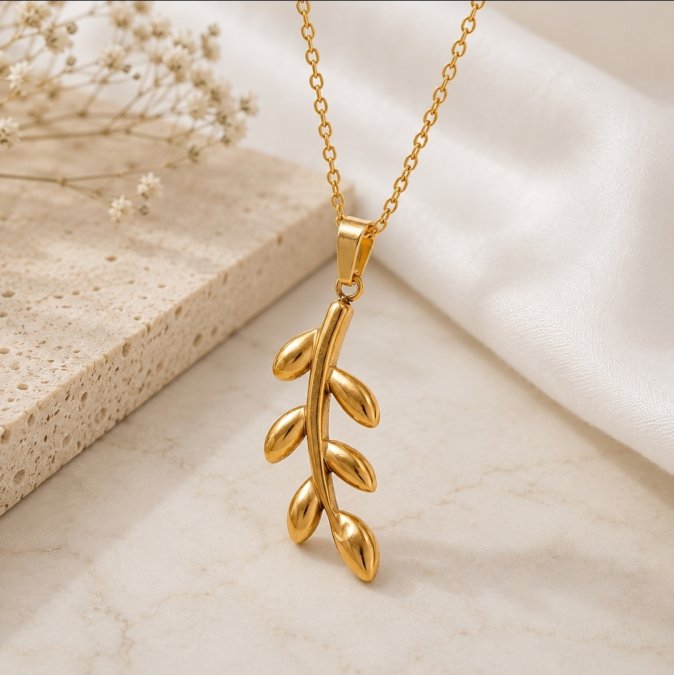
This process takes about three minutes. Do it every two to four weeks for pieces you wear daily. For occasional-wear pieces, clean them every couple of months or whenever you notice light dulling.
The beauty of this method is its gentleness. You're removing dirt and surface oxidation without any abrasive action. The plating stays intact.
How to Prevent Gold Plating from Fading
Preventing fade is easier than trying to restore worn plating. The key is understanding what causes the plating to wear away.
Minimize friction. This is the biggest factor. Friction from clothing, skin contact, and polishing cloths wears plating fastest. Wear your gold-plated jewelry on top of clothing when possible. Avoid layering it under tight sleeves or collars where fabric rubs constantly.
Keep moisture away. Water itself doesn't harm gold plating. But repeated wetting and drying cycles speed up oxidation of the base metal underneath. Remove your jewelry before showering, swimming, or exercising. Sweat is mildly acidic and can accelerate corrosion. Even hand washing should be followed by immediate drying.
Avoid harsh chemicals. Chlorine, perfume, lotions, and cleaning products all damage plating. Chlorine is especially destructive, it eats through the plating layer. Never wear gold-plated jewelry in pools or hot tubs. Apply perfume and lotion before putting on jewelry, not after.
Store properly. Air and humidity cause tarnish and oxidation. Store gold-plated pieces in a dry environment. A small silk pouch inside a jewelry box is ideal. Separate pieces so they don't scratch each other. Some people use small ziplock bags with silica packets to control moisture.
Limit cleaning frequency. Every cleaning, even gentle cleaning, removes a tiny amount of plating. Clean only when necessary. If your piece still looks bright, don't clean it. Cleaning once every couple of months is usually enough for daily-wear pieces.
Choose pieces with thicker plating. When buying, ask about plating thickness. Thicker plating lasts longer. Zoha Los Angeles pieces use 18k gold plating, which is durable and long-lasting even with daily wear.
The Sparkly Paperclip Link Necklace and Aurelia Knot Necklace are both crafted with tarnish-resistant finishes.
Sparkly Paperclip Link Necklace →

Does Gold-Plated Jewelry Turn Skin Green?
Gold-plated jewelry can turn skin green, but the gold itself isn't the problem. The base metal underneath is.
When you see green staining on your skin, it's copper or brass oxidizing. These metals are common in the base layer under gold plating. When the plating wears through, especially in areas where the jewelry contacts your skin, the base metal oxidizes. That oxidation is greenish or grayish and rubs off on your skin.
This happens faster if you sweat a lot or have acidic skin chemistry. Moisture and salt from sweat speed up oxidation. The longer the base metal stays wet, the faster it reacts.
The green stain is harmless. It's just metal oxide. It washes off easily with soap and water. But it's a sign that the plating is wearing through.
To prevent green staining, keep your jewelry dry. Remove it before sweating. Dry it immediately after any moisture exposure. Store it in a dry place. These steps protect the plating and prevent the base metal from oxidizing.
Zoha Los Angeles uses hypoallergenic stainless steel bases under our 18k gold plating. This combination prevents both green staining and skin reactions.
If you have sensitive skin or sweat heavily, look for pieces with hypoallergenic bases. The Celeste Freshwater Pearl Hoop Earrings and Aurelia Knot Earrings are both hypoallergenic and water-resistant.

Materials to Avoid When Cleaning Gold Plating
Certain materials and chemicals will damage gold plating. Knowing what to avoid is half the battle.
Avoid abrasive materials. This includes:
- Polishing cloths (even microfiber ones designed for jewelry)
- Toothbrushes or any brush with stiff bristles
- Baking soda or other powder abrasives
- Steel wool or any metal scrubber
- Sandpaper or fine grit materials
All of these work through friction. They remove plating faster than gentle cleaning.
Avoid harsh chemicals. These include:
- Bleach or chlorine-based cleaners
- Ammonia-based window cleaners
- Acetone or nail polish remover
- Vinegar or other acidic solutions
- Ultrasonic cleaners (the vibration damages plating)
These chemicals either dissolve the plating directly or corrode the base metal underneath. Some are so aggressive they damage plating in seconds.
Avoid prolonged moisture exposure. Water alone doesn't harm plating. But:
- Don't soak gold-plated jewelry for extended periods
- Don't leave it wet, dry immediately
- Avoid steam (hot moisture speeds oxidation)
- Don't wear in humid environments for long periods
Avoid mechanical tools. Jewelry cleaning machines, polishing wheels, and rotary tools are designed for solid metals. They remove gold plating instantly.
Avoid extreme temperatures. Very hot water can damage the bond between plating and base metal. Use only lukewarm water. Extreme cold isn't harmful, but temperature swings (hot to cold quickly) can weaken the plating layer.
The safest approach is simplicity. Mild soap, lukewarm water, and a soft cloth handle 99% of cleaning needs. Anything stronger is unnecessary and risks damage.
Storage Best Practices to Prevent Tarnish
How you store gold-plated jewelry determines how long the plating lasts. Storage prevents tarnish by controlling the environmental factors that cause the base metal underneath to oxidize.
Understanding Why Storage Matters: The Chemistry of Tarnish
Tarnish on gold-plated jewelry isn't the gold tarnishing, gold itself is highly resistant to oxidation. The tarnish you see is the base metal (usually brass or copper) oxidizing through microscopic cracks or worn spots in the plating, or oxidizing at the edges where the plating has already worn away.
This oxidation happens when three conditions exist simultaneously: the base metal is exposed, moisture is present, and oxygen is available. Storage controls these factors:
- Humidity and moisture accelerate oxidation. Brass and copper oxidize much faster in humid environments. A piece stored in a dry climate may show no tarnish for years. The same piece stored in a humid bathroom may tarnish within weeks.
- Air exposure provides the oxygen needed for oxidation. Sealed storage (airtight containers) slows oxidation dramatically compared to open storage.
- Temperature stability matters because temperature swings cause condensation. When a piece moves from a cold room to a warm room, moisture condenses on the surface. This moisture speeds oxidation. Stable room temperature prevents these cycles.
Practical Storage Setup
For daily-wear pieces: Store in a closed jewelry box in a bedroom or living room (cool, dry, stable temperature). A small silk or velvet pouch inside the box prevents metal-to-metal contact with other pieces, which causes scratches that expose the base metal.
For occasional-wear pieces or long-term storage: Use small ziplock bags or airtight containers. Include one or two silica gel packets (the kind used in supplement bottles or shoe boxes) to absorb any moisture. Silica packets are inexpensive and highly effective, they absorb moisture from the air inside the sealed container, maintaining a dry microclimate. Replace packets every 6-12 months if storing for extended periods.
For valuable or sentimental pieces: Combine methods. Wrap the piece in soft tissue or a silk cloth, place it in a small ziplock bag with a silica packet, then store the bag in a closed jewelry box in a cool, dry room. This layered approach provides maximum protection.
Identifying Plating Thickness to Assess Storage Needs
Visual inspection: Look at the piece in bright light. Examine the edges, corners, and any areas that would naturally wear (the back of a pendant, the underside of a ring). If you can already see base metal (usually a duller, more silvery or brassy tone compared to the bright gold surface), the plating is thin and worn. This piece needs airtight storage with silica packets.
If the piece looks uniformly gold with no base metal visible even at edges, the plating is likely thicker (possibly gold-filled rather than gold-plated, or a thicker plating layer). This piece can tolerate standard closed-box storage.
Weight and feel: Gold-filled jewelry feels noticeably heavier than thin gold plating over the same base metal. If a piece feels substantial and weighty, it likely has thicker plating or is gold-filled. Lightweight pieces are typically thin-plated and need careful storage.
Ask the seller: If you purchased the piece recently, check the product description or receipt. Reputable sellers specify plating thickness (often listed as "18k gold plating" or "gold-plated over stainless steel"). Thicker plating (18k or 14k) is more durable than thin plating. If the thickness isn't specified, assume it's thin and store accordingly.
Storage Locations to Avoid
Bathrooms: High humidity from showers and baths accelerates tarnish. Even a closed jewelry box in a bathroom is exposed to humidity cycles.
Basements and attics: Temperature and humidity fluctuate seasonally. These swings cause condensation and oxidation.
Near windows: Direct sunlight can fade the color of gold plating slightly over time. Indirect light is fine.
Near heat sources: Radiators, vents, and direct sunlight create temperature swings that cause condensation.
Open dishes or trays: Exposed to air and dust. Pieces left on dressers or nightstands oxidize faster than stored pieces.
Maintenance During Storage
Even in ideal storage, check pieces occasionally. If you notice tarnish developing on a stored piece, it means moisture is present. Add or replace silica packets.
Frequently Asked Questions
Can you use a jewelry polishing cloth on gold-plated items?
Standard polishing cloths designed for solid gold can be too abrasive for gold plating. The plating layer is extremely thin, and mechanical friction from aggressive polishing can wear through it. Instead, use a soft, lint-free cotton cloth with gentle motions, or stick to mild soap and lukewarm water. Polishing cloths are not recommended for gold-plated jewelry.
How do I clean gold-plated jewelry at home without damaging the plating?
Fill a small bowl with lukewarm water and add one or two drops of mild dish soap. Dampen a soft cotton cloth with the soapy water, wring it out, and gently wipe each surface of the jewelry. Rinse with a clean cloth dampened with plain lukewarm water to remove soap residue, then dry immediately with a lint-free cloth. Avoid abrasive scrubbing, chemical cleaners, and polishing compounds. This gentle method preserves the protective coating while removing dirt and tarnish safely.
Does gold-plated jewelry turn skin green?
Gold-plated jewelry can cause green discoloration if the base metal (usually copper or brass) is exposed through worn plating. This happens when the protective gold coating deteriorates from friction, moisture, or harsh cleaning. Zoha Los Angeles jewelry features hypoallergenic stainless steel bases and tarnish-resistant finishes to minimize this risk.
How long does gold plating last if I wear jewelry every day?
With proper care, quality gold plating can last 2-5 years with daily wear. The lifespan depends on plating thickness, base metal quality, and maintenance habits. Frequent friction, exposure to chemicals, and improper cleaning accelerate wear-off. Zoha Los Angeles pieces are backed by a lifetime warranty against rust and tarnish, ensuring your investment remains protected with correct care and storage.