

Table of Contents
- What Determines How Long Gold Plating Lasts
- Micron Thickness: The Hidden Spec That Matters
- Base Metal Quality and Corrosion
- Gold Plating vs Gold Filled Durability: Which Lasts Longer?
- Gold Plated vs Vermeil vs Solid Gold: A Comparison
- How Daily Wear and Chemical Exposure Affect Plating
- How to Make Gold Plating Last Longer
- How to Clean Gold Plated Jewelry Safely
- Signs Your Gold Plating Is Wearing Off (and When to Replate)
- Conclusion: Choosing Plated Jewelry That Lasts
- Frequently Asked Questions
Last Updated: September 14, 2026
What Determines How Long Gold Plating Lasts
The lifespan of gold plating is governed by two measurable factors: the thickness of the gold layer, expressed in microns, and the quality of the base metal beneath it. A well-made piece worn occasionally can hold its finish for years, while a thin plating over a reactive base metal may show wear within months.
At Zoha Los Angeles, we use 18k gold plating over high-grade stainless steel rather than brass or copper. The difference matters more than most shoppers realize.
Gold plating is the electrochemical process of bonding a thin layer of gold to a base metal surface. Because that layer sits on top of the metal rather than running through it, everything about how the piece ages flows from how thick that layer is and what it's bonded to.
Below, we'll break down the specific specs that decide whether a piece lasts two months or two years, and how to tell the difference before you buy.
Micron Thickness: The Hidden Spec That Matters
Micron thickness is the single most useful number in plated jewelry, and almost no retailer prints it on the label. One micron equals one-thousandth of a millimeter, about 0.00004 inches, so a 2.5-micron gold layer is roughly one-tenth the thickness of a standard sheet of printer paper. That is the entire protective barrier standing between your skin and the base metal.
Most fashion jewelry carries a gold layer between 0.5 and 2.5 microns. Here's the practical translation:
- Under 1 micron: light plating, typically wears through in weeks to a few months with daily wear
- 1 to 2 microns: standard fashion plating, holds up for several months of regular use
- 2.5 microns and above: heavy plating, the range where pieces can last a year or more with care
Why Thickness Is the Whole Story
Gold plating is applied by electroplating: the piece is submerged in a gold-ion solution and an electrical current deposits gold atoms onto the surface. The longer the piece stays in the bath and the higher the current density, the more gold accumulates, which is why thick plating costs more. It consumes more gold and ties up plating equipment for longer.
Wear-through is fundamentally an abrasion problem. Every contact event removes a microscopic amount of gold. A 2.5-micron layer has roughly five times the gold of a 0.5-micron layer, so it takes roughly five times as many contact events to expose the base metal. That linear relationship is why thickness is the most predictive spec you can find, far more predictive than karat, finish, or marketing language.
How to Verify a Micron Claim
Micron thickness is not visible to the eye, and most listings omit it. A few practical checks:
- Look for a stated number. "2.5 microns" or "3 microns" is a spec. "Heavy plating" is a marketing phrase that may mean anything.
- Check the base metal. A thick plating claim over brass is less meaningful than the same claim over stainless steel, because brass flexes and dents, cracking the gold layer from underneath.
- Ask the seller directly. Reputable makers who invest in thick plating usually publish the number because it is a selling point.
- Be skeptical of karat-only claims. "18k gold plated" describes the purity of the gold alloy, not how much of it is there. An 18k layer can still be 0.3 microns thin.
The Trade-Off Nobody Mentions
Thicker plating is not free. Beyond cost, a very thick gold layer can look slightly different from a thin one, heavy plating tends to read as a deeper, warmer gold, while very thin plating can appear brighter and more yellow because the base metal's color shows through. For most buyers, the durability gain outweighs the aesthetic nuance, but it is worth knowing that "thicker" and "prettier" are not always the same thing.
Base Metal Quality and Corrosion
The metal underneath the gold decides how the plating fails, not just when. Copper and brass are common bases because they're inexpensive and easy to shape, but both oxidize readily. When moisture reaches the base through a worn spot, the reaction produces the green or black discoloration many people have seen on cheap jewelry.
Stainless steel behaves differently. It resists corrosion on its own, so even if the gold layer thins, the metal beneath won't turn skin green or pit. That's why stainless steel has become the base of choice for jewelry meant for everyday wear.
Sterling silver sits in the middle. It's a fine base for plating and takes a beautiful finish, but it tarnishes on its own and needs more attention than steel.
What most guides miss is that base metal choice also affects how the plating adheres. A properly prepared stainless steel surface holds its gold layer more evenly than a soft brass surface that dents and flexes under daily stress.
Gold Plating vs Gold Filled Durability: Which Lasts Longer?
Gold filled jewelry lasts substantially longer than gold plated jewelry, often by a factor of years rather than months. The reason is mechanical: gold filled pieces carry a bonded layer of gold that makes up a meaningful percentage of the item's total weight, while plated pieces carry a microscopic coating measured in microns.
The two are made in completely different ways. Gold filled material is created by heat- and pressure-bonding a sheet of gold to a base metal, then rolling it thin. The gold becomes part of the structure. Gold plating deposits gold onto a finished piece through electroplating, so the layer sits on the surface.
| Feature | Gold Plated | Gold Filled | Solid Gold |
|---|---|---|---|
| Gold layer | 0.5-2.5 microns | 5%+ of total weight | 100% gold alloy |
| Typical lifespan | Months to 2 years | 5-30 years | Indefinite |
| Cost | Lowest | Mid-range | Highest |
| Water resistance | Limited | Good | Excellent |
| Best for | Trend pieces, occasional wear | Daily wear on a budget | Heirlooms, investment |
If you want the durability of gold filled with the affordability of plating, the practical middle ground is heavy plating over stainless steel. That combination resists the two failure modes that kill most plated jewelry: corrosion from the base metal and abrasion of the gold layer.
Gold Plated vs Vermeil vs Solid Gold: A Comparison
Vermeil occupies the space between plating and solid gold, and the distinction is regulated. Under FTC guidance on gold jewelry marketing, a piece can only be called vermeil if its base is sterling silver and the gold layer is at least 2.5 microns thick and at least 10 karat.
That definition does a lot of work. It rules out brass and copper bases entirely, and it sets a floor on thickness that standard plating doesn't have. A vermeil piece is, in effect, a heavily plated sterling silver piece with a legal guarantee behind the numbers.
Solid gold contains no base metal at all, so there's no layer to wear through. The trade-off is price and weight. A solid 14k or 18k piece costs many times more than its plated equivalent, which is why most everyday jewelry is plated.
For most buyers, the decision comes down to use case:
- Occasional or trend wear: plated jewelry delivers the look at the lowest cost
- Everyday wear with a budget: heavy plating over stainless steel, or vermeil
- Heirloom or investment: solid gold
The "18k" label describes the gold alloy's purity, not the thickness of the plating. An 18k gold plated piece has a gold layer that's 75% pure gold, but that layer can still be paper-thin.
How Daily Wear and Chemical Exposure Affect Plating
Daily wear is the quiet killer of gold plating. Every time a ring rubs against a keyboard, a necklace slides against skin, or a bracelet catches on a sleeve, microscopic amounts of gold abrade away. Friction is cumulative, and the thinnest points on a piece, usually edges and high-contact surfaces, wear through first.
But friction is only half the story. The other half is chemistry, and it is where most guides stay vague. Here is what is actually happening at the metal surface.
The Role of Skin Acidity and Perspiration
Skin acidity varies from person to person, and it changes how quickly plated jewelry ages. Perspiration is mildly acidic, typically in the pH 4.5 to 6.5 range, and it contains dissolved salts, urea, and lactic acid. Once the gold layer thins enough for moisture to reach the base metal, that acidity accelerates the electrochemical reaction that oxidizes copper and brass, producing the green or black discoloration many people have seen.
This is why two people can wear identical rings for the same period and get completely different results. The piece isn't failing randomly; it's responding to the chemistry of the wearer. People with more acidic skin, or who sweat heavily, will see plating fail faster on the same piece.
The Specific Chemicals That Do the Damage
Beyond perfume and sweat, a surprising number of everyday products attack plated jewelry. The common offenders:
- Chlorine (pools, hot tubs, tap water, bleach-based cleaners), aggressively oxidizes base metals and can pit stainless steel at high concentrations.
- Sulfur compounds, found in eggs, onions, garlic, wool, and natural rubber. Sulfur reacts with copper and silver to form dark tarnish, and it is why plated jewelry stored in a drawer with rubber bands discolors.
- Ammonia, present in many glass cleaners, window sprays, and some hair dyes. Ammonia dissolves the oxide layer on copper and brass, exposing fresh metal to further attack.
- Acids, vinegar, lemon juice, tomato products, and many salad dressings. Even brief contact can etch a thin gold layer.
- Sunscreen and insect repellent, the active ingredients (avobenzone, oxybenzone, DEET) are solvents that can lift plating from the surface.
- Hair products, hairspray, mousse, and gel contain alcohols and polymers that leave a residue on plated earrings and necklaces.
- Hand sanitizer, high-concentration alcohol strips oils and can dull the gold finish with repeated use.
- Salt water, ocean swimming is harder on plating than pool swimming because the chloride concentration is higher and the salt accelerates corrosion.
Why Sequencing Beats Avoidance
The fix is sequencing, not avoidance. Apply lotion and perfume first, let them absorb fully, then put your jewelry on. Take pieces off before cleaning, swimming, or showering. That single habit change extends plating life more than any product on the market.
A useful mental model: anything you would not put on your skin undiluted is probably not something you want sitting on your plated jewelry for hours. If you do get a chemical on a piece, rinse it with lukewarm water and pat dry rather than letting it sit.
How to Make Gold Plating Last Longer
Plating longevity is mostly a maintenance problem, and the habits that extend it are simple enough to build into a routine.
- Last on, first off. Put jewelry on after cosmetics and take it off before bed, workouts, and showers.
- Keep it dry. Remove pieces before swimming, bathing, or washing dishes. Chlorine and hot water both accelerate wear.
- Store separately. Individual pouches or a lined box prevent pieces from scratching each other.
- Rotate your collection. Wearing the same ring every day concentrates wear on one piece. Alternating extends the life of all of them.
- Wipe after wear. A quick pass with a dry soft cloth removes oils and perspiration before they sit overnight.
How to Clean Gold Plated Jewelry Safely
The safe method for cleaning gold plated jewelry is mild soap, lukewarm water, and a soft cloth, with no scrubbing and no harsh chemicals. Abrasive cleaners and polishing compounds strip the gold layer, and the damage is permanent.
Here's the process that works:
- Fill a small bowl with lukewarm water and a drop of mild dish soap.
- Soak the piece for two to three minutes to loosen oils and residue.
- Lift it out and wipe gently with a soft microfiber cloth. Don't rub.
- Use a soft-bristled brush only on textured areas, and only with light pressure.
- Pat dry completely before storing. Moisture left in crevices causes problems later.
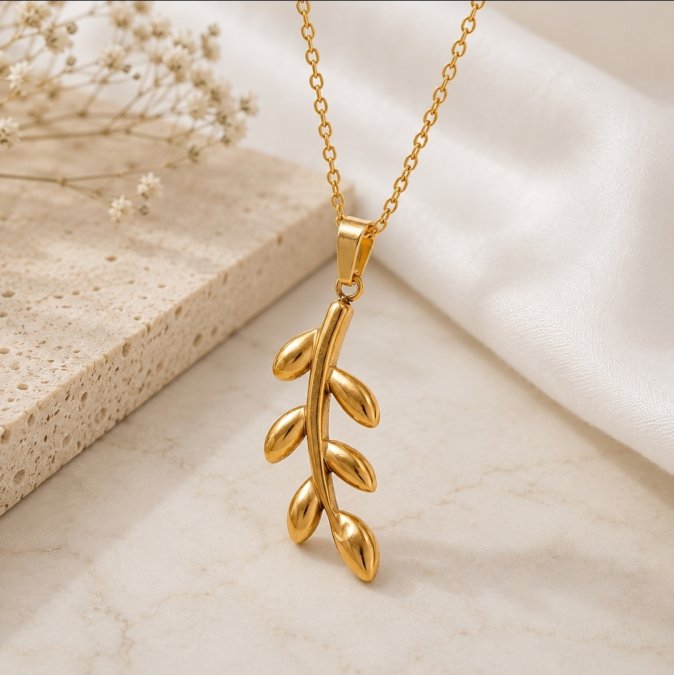
Skip ultrasonic cleaners entirely. They're designed for solid metal and will strip plating. The same goes for toothpaste, baking soda, and jewelry dips, all of which are too abrasive for a micron-thin gold layer.
Signs Your Gold Plating Is Wearing Off (and When to Replate)
The first sign of plating wear is usually a color shift at the edges and high-contact points, where the gold takes on a duller or slightly warmer tone as the layer thins. Discoloration of the skin, often green or black, is the next stage and signals that the base metal is now exposed.
Watch for these progression markers:
- Dull patches that don't respond to gentle cleaning
- Visible silver or gray showing through at edges
- Skin discoloration where the piece contacts skin
- Rough texture or pitting on the surface
Replating is worth considering when a piece has sentimental value, or when the underlying metal is high quality. For inexpensive fashion pieces over brass or copper, replacement usually makes more sense than replating, since the base metal will keep causing problems.
There's an environmental angle here too. Replating a favorite piece keeps metal out of landfills and avoids the mining and refining footprint of a new item. For pieces worth keeping, it's the lower-impact choice.
Conclusion: Choosing Plated Jewelry That Lasts
The honest answer to how long gold plating lasts is that it depends on specs like micron thickness, base metal, and how you wear the piece. Buyers who know to ask about those three things can often get more life out of their jewelry than buyers who shop on appearance alone.
At Zoha Los Angeles, every piece is built with 18k gold plating over high-grade stainless steel, a combination chosen specifically to resist the corrosion and abrasion that shorten plating life. Our jewelry is tarnish-resistant, hypoallergenic, and made for daily wear, from the [AMNA Infinity Necklace(/products/amna-infinity-necklace) | zohalosangeles.com] to the adjustable Esha Ring, and each order arrives in a free gift box.
Shop the Zoha Los Angeles collection and choose pieces designed to hold their finish, not just their shine on day one.
Frequently Asked Questions
How long does gold plating typically last with daily wear?
With daily wear, gold plating usually lasts between 6 months and 2 years, depending on the micron thickness and how well you care for it. Thicker plating (2.5 microns or more) can last longer, while thinner layers wear through faster. To extend the life of your gold plating, remove jewelry before showering, swimming, or applying lotions, and clean it gently with a soft cloth.
Is 18k gold plating more durable than 14k gold plating?
18k gold plating is not necessarily more durable than 14k. Durability depends mainly on the thickness of the gold layer and the base metal, not the karat. 18k gold contains more pure gold, giving it a richer color, but it is slightly softer. A well-applied 14k plating can last just as long if it is thick enough and the base metal resists corrosion. Always check the micron thickness for a better durability indicator.
Can you re-plate gold jewelry once the finish wears off?
Yes, many gold-plated pieces can be re-plated. A jeweler will strip any remaining plating, clean the base metal, and apply a new gold layer using electroplating. The cost varies by piece and the thickness you choose, often ranging from $20 to $100. However, if the base metal is corroded or pitted, re-plating may not be worth it. Consider the sentimental value and the original quality before investing.
What is the difference between gold plated and gold filled durability?
Gold filled jewelry has a much thicker layer of gold (at least 5% of the total weight) mechanically bonded to a base metal, while gold plated jewelry has a microscopic layer applied by electroplating. This makes gold filled pieces significantly more durable, often lasting 5 to 10 years or more with proper care. Gold plating typically lasts 6 months to 2 years. If you want longevity, gold filled is the stronger choice.