

Table of Contents
- Quick Comparison: Best Tarnish Resistant Jewelry Brands
- What Makes Jewelry Tarnish Resistant? Materials That Actually Last
- Gold-Plated vs Gold-Filled Durability: Which Lasts Longer?
-
Top Tarnish Resistant Jewelry Brands: 10 Standout Pieces
- Star Charm Necklace - 18k Gold Plated
- Sabina Hamsa Geometric Necklace
- Ayatul Kursi Horizontal Necklace
- Ayatul Kursi Bar Necklace
- Ayatul Kursi Cuff
- YUSRA Evil Eye Necklace
- Neena Ring | Cuban Link Adjustable Ring
- Esha Ring | Adjustable Dainty Ring
- Niya Ring | Adjustable Dainty Ring
- Palestinian Watermelon Necklace
- Waterproof Jewelry for Daily Use: What to Look For
- How to Clean Tarnish-Resistant Jewelry Without Damaging It
- Factors That Affect Jewelry Longevity (And How to Extend Yours)
- Repairability, Recycling, and Standardized Testing: What Most Brands Don't Tell You
- Which Tarnish Resistant Jewelry Brand Is Right for You?
- Frequently Asked Questions
Last Updated: September 15, 2026
Quick Comparison: Best Tarnish Resistant Jewelry Brands
The best tarnish resistant jewelry brands build their pieces around 18k gold plating over stainless steel, a combination that resists oxidation far better than brass or copper base metals. This guide from Zoha Los Angeles breaks down what actually keeps gold looking gold, which materials survive daily wear, and how to spot the pieces worth your money. We tested the logic against real construction methods, not marketing copy.
Below, you'll find a materials breakdown, a cleaning routine you can follow tonight, and ten standout pieces that hold up to showers, sweat, and everyday life.
Feature |
What to Look For |
Why It Matters |
|---|---|---|
Base metal |
Stainless steel |
Resists corrosion and rust |
Plating |
18k gold, PVD-coated |
Slower wear, richer color |
Allergy risk |
Nickel-free, hypoallergenic |
Safe for sensitive skin |
Water exposure |
Waterproof, sweat-proof |
Survives showers and workouts |
Warranty |
Lifetime against tarnish |
Signals real confidence |
What Makes Jewelry Tarnish Resistant? Materials That Actually Last
Tarnish is a chemical reaction, not a mystery. When base metals like copper or brass meet oxygen, moisture, and the acids in your skin, they oxidize and discolor. Jewelry resists tarnish when the metal underneath the finish either doesn't react easily or is sealed off from air entirely.
Stainless steel sits at the top of that list. It contains chromium, which forms a thin, self-repairing oxide layer that blocks further corrosion. Gold plating over stainless steel adds a second layer of defense.
According to the Corrosion Doctors' overview of metal oxidation, chromium content is the single biggest factor in whether an alloy resists discoloration over time.
The takeaway: if a piece lists brass or copper as its base, expect it to tarnish eventually no matter how pretty the plating looks on day one.
PVD Coating vs. Traditional Plating: Why It Matters
PVD coating, short for physical vapor deposition, bonds gold to the base metal at a molecular level. Traditional electroplating sits on the surface like paint. PVD layers are denser and harder, so they resist scratching, sweat, and water far longer.
Plating thickness is measured in microns. Thicker plating means slower wear. Traditional plating often runs thin, which is why budget pieces flake within months.
Stainless Steel, Sterling Silver, and Base Metal: A Quick Guide
Stainless steel is the most durable everyday option and rarely triggers reactions. Sterling silver looks classic but tarnishes without regular polishing. Base metals like brass and copper are the cheapest and the first to turn your skin green.
Gold-Plated vs Gold-Filled Durability: Which Lasts Longer?
Gold-filled jewelry lasts longer than gold-plated, but only when the plating is thin. Gold-filled pieces carry a bonded layer of gold that's mechanically fused, so it survives years of wear. Standard gold plating is electrochemically applied and wears faster.
Here's the nuance most guides skip: plating quality matters more than the label. A thick, PVD-coated 18k gold plated piece over stainless steel can outlast a poorly made gold-filled item. The base metal underneath decides how the finish holds.
If you shower in your jewelry, swim, or work out, stainless steel with a protective coating is the safer bet. Gold vermeil, which is a thick gold layer over sterling silver, sits in the middle: beautiful, but the silver underneath can still tarnish if the coating wears through.
Top Tarnish Resistant Jewelry Brands: 10 Standout Pieces
Zoha Los Angeles offers a curated collection of 18k gold-plated jewelry built on tarnish-resistant and hypoallergenic materials, ensuring lasting elegance and comfort. This combination is exactly what daily-wear buyers should look for.
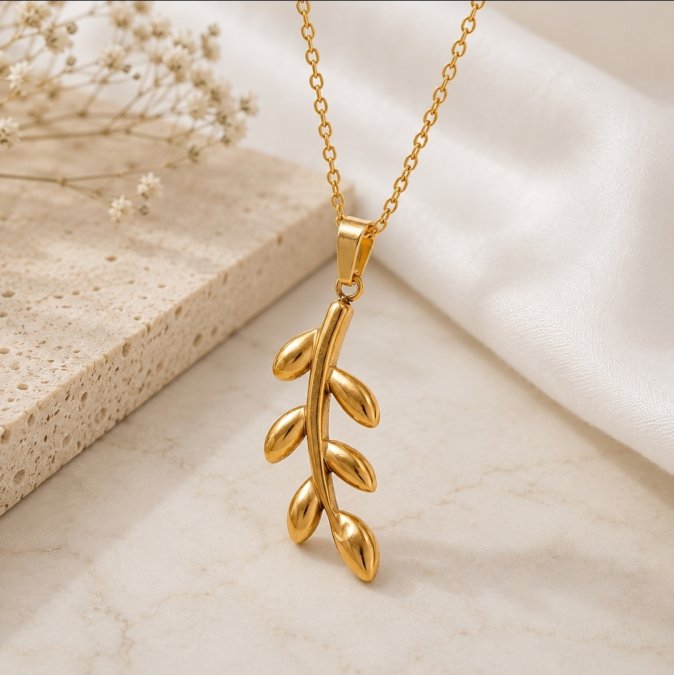
Each piece below earns its place on construction, not hype.
Star Charm Necklace - 18k Gold Plated
A minimalist star pendant in 18k gold over stainless steel. Waterproof and sweat-proof, it layers cleanly or stands alone. Best for someone who wants one necklace that never comes off. $25.
Sabina Hamsa Geometric Necklace
A geometric hamsa silhouette set with cubic zirconia. The stainless steel base keeps the gold finish stable through daily wear. Best for statement dressing without fragility. $35.
Ayatul Kursi Horizontal Necklace
Islamic calligraphy in a horizontal script, inscribed on stainless steel with 18k gold plating. Hypoallergenic and waterproof. Best for keeping faith close every day. $45.
Ayatul Kursi Bar Necklace
The same sacred prayer in a sleek bar format. Minimalist enough to layer, meaningful enough to gift. Best for Eid and Ramadan gifting. $45.
Ayatul Kursi Cuff
A gold-plated stainless steel cuff carrying the Ayatul Kursi inscription. The open shape fits most wrists without sizing. Best for stacking or solo wear. $40.
YUSRA Evil Eye Necklace
An evil eye motif in 18k gold plating with a cubic zirconia center. Waterproof and tarnish-resistant. Best for layering with other gold pieces. $45.
Neena Ring | Cuban Link Adjustable Ring
A wide Cuban link design in polished 18k gold. The adjustable band fits any finger. Best for a bold everyday statement. $25.
Esha Ring | Adjustable Dainty Ring
A clean, dainty band that stacks without bulk. Available in gold and silver. Best for minimalist daily wear. $25.
Niya Ring | Adjustable Dainty Ring
Same dainty profile, same adjustable fit, made for stacking across fingers. Best for building a layered ring look. $25.
Palestinian Watermelon Necklace
A watermelon charm pendant honoring cultural identity, plated in 18k gold over stainless steel. Best for meaningful everyday wear. $40.
Waterproof Jewelry for Daily Use: What to Look For
Waterproof jewelry survives showers, handwashing, and workouts without discoloring. The key is a sealed coating over a non-reactive base metal, which stops moisture from reaching the layer that oxidizes.
Not all "water-resistant" claims are equal. Water-resistant usually means splash-safe. Waterproof means the piece tolerates full submersion and repeated exposure. Sweat-proof adds another layer, since sweat is more acidic than water and breaks down weak plating faster.
When shopping, check three things:
- Base metal listed as stainless steel or titanium
- Plating described as PVD or thick 18k gold
- A warranty that covers tarnish
If a listing stays vague about materials, treat the waterproof claim as marketing.
How to Clean Tarnish-Resistant Jewelry Without Damaging It
Most cleaning advice for plated jewelry is the same three-step routine recycled across every listicle: soap, water, soft cloth. That works, but it doesn't explain why some pieces dull anyway, and it ignores the storage and travel habits that decide whether a finish lasts two years or ten.
Here's the mechanism first, because it changes what you should actually do.
Why Plating Fails (And Why Cleaning Can Accelerate It)
Gold itself doesn't tarnish. What fails on plated jewelry is the bond between the gold layer and the base metal underneath. Two things break that bond:
- Abrasion, physical rubbing that thins the gold layer until the base metal shows through. Abrasive polishes, rough cloths, and metal-on-metal contact in a drawer all do this.
- Chemical attack, chlorine, sulfur compounds, and the acids in sweat and skincare products penetrate microscopic pores in the plating and react with the base metal. Once the base metal oxidizes under the gold, the finish lifts and flakes.
This is why a stainless steel base matters so much. Chromium in the steel forms a passive oxide layer that resists corrosion even if the gold wears thin in one spot. A brass or copper base has no such defense, the moment plating thins, the metal underneath starts reacting.
A Cleaning Routine That Respects the Coating
For stainless steel with 18k gold plating or PVD coating:
- Mix one drop of mild dish soap (not antibacterial, not citrus-scented) into a bowl of lukewarm water. Hot water can soften some coatings.
- Soak the piece for one to two minutes, no longer. Prolonged soaking lets water sit in crevices around stone settings.
- Use a soft-bristle baby toothbrush or a microfiber cloth. Skip paper towels and tissues; wood fibers are more abrasive than they feel.
- Rinse under lukewarm running water, then pat, don't rub, dry with a lint-free cloth.
- Let the piece air-dry completely before it goes back in storage. Trapped moisture is the single most common cause of spotting under a coating.
What to avoid, and why:
- Ultrasonic cleaners, the vibration can loosen prongs and stone settings, and it does nothing for tarnish that a cloth can't handle.
- Silver polish and jeweler's rouge, formulated for bare sterling silver, these are abrasive enough to strip plated finishes.
- Baking soda, toothpaste, and vinegar soaks, popular DIY fixes that etch soft gold plating.
- Chlorine and bromine, pool and hot tub water attacks the alloy bond directly. Rinse immediately if you forget to remove a piece.
Storage and Travel: The Part Most Guides Skip
The biggest controllable factor in plating lifespan isn't how you clean, it's how you store. Air, humidity, and friction do more cumulative damage than a single shower.
At home:
- Store each piece in its own soft pouch or the original gift box. Metal-on-metal contact scratches plating, and scratches are where oxidation starts.
- Add a silica gel packet to your jewelry box if you live in a humid climate. Lower humidity slows oxidation on any exposed metal.
- Keep pieces out of direct sunlight and away from bathroom counters, where steam and aerosol products linger.
- Hang necklaces rather than coiling them, repeated bending stresses the chain links and the plating at contact points.
When traveling:
- Use a roll-up jewelry case with individual slots, or wrap each piece in a soft cloth and pack them separately. A single tangled bag is the fastest way to scratch a finish.
- Carry a small microfiber cloth. Wiping sunscreen, salt water, and sweat off at the end of the day prevents them from sitting on the coating overnight.
- Never pack jewelry in a checked bag next to zippers, keys, or hard-sided items.
Factors That Affect Jewelry Longevity (And How to Extend Yours)
Two people can buy the same necklace on the same day and see completely different outcomes within a year. The difference isn't luck, it's chemistry, and most of it is predictable once you know what's happening at the metal level.
The Chemical Reaction Behind Tarnish
Tarnish is oxidation, and oxidation needs three things: a reactive metal, oxygen, and an electrolyte (moisture, sweat, or salt). Remove any one of the three and the reaction slows or stops.
Your skin is the electrolyte. Sweat is roughly pH 4.5 to 7.0 depending on the person, diet, and activity level, meaning some people's sweat is mildly acidic and attacks base metals faster than others. That's why two friends can wear the same ring and one sees green skin within a month while the other never does.
The base metal decides how fast this plays out:
- Copper and brass, react readily with oxygen and sulfur compounds. This is the source of the green discoloration on skin (copper salts) and the dark film on the metal itself.
- Sterling silver, contains copper, so it tarnishes too, just more slowly and usually as a dark patina rather than green skin.
- Stainless steel, contains chromium, which forms a thin, self-repairing chromium oxide layer on the surface. That layer blocks oxygen from reaching the iron underneath, which is why stainless steel resists rust and tarnish even without plating.
- Titanium and gold, effectively inert at body temperature. Neither reacts with sweat or oxygen in any meaningful way.
Once you understand that, the factors below stop being a checklist and start being a set of levers you can actually pull.
The Controllable Factors, Ranked by Impact
1. Base metal (biggest lever). Stainless steel or titanium over brass or copper. This decision is made at purchase and can't be undone later.
2. Plating method and thickness. PVD coating bonds gold to the base metal at a molecular level and is denser and harder than electroplating, which sits on the surface. Plating thickness is measured in microns, thicker means slower wear. A thick PVD layer over stainless steel will outlast a thin electroplated layer over brass by years, not months.
3. Moisture exposure. Showering, swimming, and workouts accelerate wear because water carries dissolved chemicals into microscopic pores in the coating. Chlorinated pool water is the worst offender.
4. Chemical contact. Perfume, sunscreen, hairspray, and lotions contain solvents and acids that break down coatings. Apply them first, let them dry, then put jewelry on.
5. Storage. Air and humidity promote oxidation on any exposed metal. Individual pouches, low humidity, and no metal-on-metal contact extend life significantly.
6. Wear frequency. Daily wear adds friction, but quality plating is built for it. The trade-off is real but smaller than most people assume, a well-made piece worn daily usually outlasts a cheap piece worn occasionally.
A Durability Score You Can Apply to Any Piece
Most guides tell you which brands to trust. A more useful approach is a rubric you can run against any listing, in any store, in about two minutes. Score each line from 0 to 2:
Criterion |
0 points |
1 point |
2 points |
|---|---|---|---|
Base metal |
Unlisted or brass/copper |
Sterling silver or gold-filled |
Stainless steel or titanium |
Plating method |
Unlisted |
Electroplated, thickness stated |
PVD-coated or thick 18k gold |
Allergy info |
Not mentioned |
"Hypoallergenic" with no detail |
Nickel-free, stated explicitly |
Water claim |
"Water-resistant" only |
"Waterproof" with no material detail |
Waterproof plus base metal and coating named |
Warranty |
None |
1-year defect coverage |
Lifetime against tarnish or rust |
How to read your score:
- 8-10: Built for daily wear. Safe to shower and work out in.
- 5-7: Good for regular wear with reasonable care. Remove before swimming.
- 3-4: Occasional wear. Expect visible wear within a year.
- 0-2: Treat as costume jewelry. Plan to replace, not repair.
Cost-Per-Wear: The Only Math That Matters
A $25 ring worn every day for two years costs about three cents per wear. A $12 ring that discolors in three months costs more per wear and adds the frustration of replacing it. Durability is the real bargain, the cheap piece is almost never the cheaper piece.
Run the numbers before you buy: divide the price by the number of days you realistically expect to wear it. If the base metal is brass and the warranty is silent, assume a short lifespan and price it accordingly.
Repairability, Recycling, and Standardized Testing: What Most Brands Don't Tell You
Most jewelry marketing skips the unglamorous questions: can this piece be repaired, and what happens when you're done with it?
Stainless steel jewelry is highly recyclable, since the alloy can be melted and reused without losing quality. Sterling silver and gold are also recyclable, which is one reason precious metals hold resale value. Plated costume jewelry is harder to recycle because separating the thin gold layer from the base metal isn't cost-effective.
On testing, there is no single universal standard for "tarnish-resistant" claims. Reputable makers run salt-spray and humidity tests to simulate wear, but results vary by method. That's why a written warranty matters more than a label. A guarantee against rust and tarnish is a concrete promise a vague "premium finish" claim can't match.
Which Tarnish Resistant Jewelry Brand Is Right for You?
Match the brand to how you actually wear jewelry, not to how you wish you did.
Frequently Asked Questions
Which brand is best for anti-tarnish jewelry?
The best anti-tarnish brands use materials like stainless steel with 18k gold plating. Look for pieces labeled waterproof and sweatproof, since those claims signal real corrosion resistance. A brand that backs its tarnish-resistant jewelry is a safer bet than one that only uses marketing language.
Does 18k gold-plated jewelry tarnish easily?
Not necessarily. Tarnish depends on the base metal and the plating method, not the karat label alone. An 18k gold-plated piece built on stainless steel resists oxidation far better than gold plating over brass or copper. If the brand uses PVD coating or a thick plating layer, the finish holds up through daily wear, sweat, and moisture exposure.
What is the difference between gold-plated and gold-filled jewelry?
Gold-filled jewelry bonds a thick layer of real gold to a base metal, usually brass, and that layer is measured in microns. Gold-plated jewelry uses a thinner gold layer over a base metal like stainless steel or copper. Gold-filled lasts longer before the gold wears through, but high-quality gold-plated pieces over stainless steel can match it for tarnish resistance at a lower price.
How do I care for tarnish-resistant jewelry to make it last longer?
Rinse pieces with warm water and mild soap, then dry them with a soft cloth before storing. Keep jewelry in a dry pouch or lined box away from humidity, and put pieces on last when getting ready so perfume and lotion don't sit on the surface. Even waterproof jewelry benefits from this routine, since it protects the plating thickness and keeps the finish bright.
Is waterproof jewelry actually sweat-proof for daily use?
Waterproof and sweat-proof are related but not identical. Waterproof jewelry handles showers and handwashing without rusting or losing its finish, while sweat-proof means the piece resists the salt and acidity in perspiration. Stainless steel with 18k gold plating handles both well, which is why it works for daily wear, workouts, and skin pH variations that cause discoloration in lower-quality pieces.