Table of Contents
- Why Hypoallergenic Calligraphy Jewelry Belongs in Your Everyday Rotation
- Quick Comparison: Zoha Los Angeles Calligraphy Pieces at a Glance
- Ayatul Kursi Horizontal Necklace: The Stainless Steel Statement Piece
- Ayatul Kursi Vertical Bar Necklace: Minimalist Faith for Layering
- Bismillah Calligraphy Necklace: A Gift-Ready Pendant Under $40
- 99 Names of Allah Necklace: The Statement Calligraphy Pendant
- Ayatul Kursi Cuff Bracelet: Calligraphy You Can Wear to the Office
- Ayatul Kursi Spiral Ring: Adjustable Fit, No Sizing Guesswork
- Best Metals for Sensitive Skin Jewelry: What to Look For
- How to Care for Gold-Plated Calligraphy Jewelry
- Frequently Asked Questions
Last Updated: September 16, 2026
Why Hypoallergenic Calligraphy Jewelry Belongs in Your Everyday Rotation
If you want to buy hypoallergenic calligraphy jewelry online, the first thing to understand is that "hypoallergenic" is not a marketing word. It describes a construction choice: the metals touching your skin. At Zoha Los Angeles, every calligraphy piece is built on 18k gold-plated stainless steel, a combination chosen specifically for people whose skin reacts to nickel and other common alloy metals.
Hypoallergenic calligraphy jewelry is jewelry made from metals that are unlikely to trigger an allergic reaction, typically stainless steel plated with gold rather than brass or nickel-heavy alloys. That distinction matters because most irritation blamed on "cheap jewelry" is actually contact dermatitis from nickel release, a well-documented reaction covered in nickel allergy guidance from the American Academy of Dermatology.
The practical payoff is simple. You can wear these pieces to the gym, through a workday, and into Ramadan or Eid gatherings without switching them out. Tarnish-resistant finishes mean the piece you unwrap in 2026 still looks like the piece you unwrap two years later.
Quick Comparison: Zoha Los Angeles Calligraphy Pieces at a Glance
Every piece below is 18k gold plated over stainless steel, waterproof, and tarnish-resistant. The differences come down to format, verse, and how you plan to wear it.
Piece |
Format |
Price |
Best For |
|---|---|---|---|
Horizontal pendant |
$45.00 |
First calligraphy piece |
|
Vertical bar |
$45.00 |
Layering with other chains |
|
Bismillah Calligraphy Necklace |
Pendant |
$35.00 |
Gift-giving under $40 |
99 Names of Allah Necklace |
Statement pendant |
$46.00 |
Eid and Ramadan gifting |
Ayatul Kursi Cuff |
Cuff bracelet |
$40.00 |
Office and desk work |
Ayatul Kursi Spiral Ring |
Adjustable ring |
$35.00 |
No sizing guesswork |
If you only take one thing from this table: the entry price is $35, and nothing in the collection crosses $46.

Ayatul Kursi Horizontal Necklace: The Stainless Steel Statement Piece
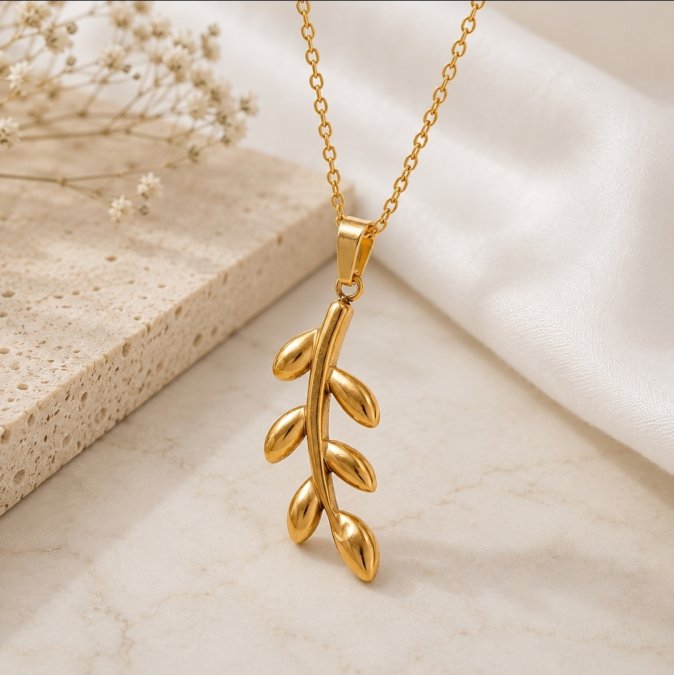
The Ayatul Kursi Horizontal Necklace is the best starting point if you have never worn calligraphy jewelry before. The horizontal layout gives the script room to breathe, which makes the Arabic lettering legible at a glance rather than compressed into a thin line.
At $45.00, it sits at the upper-middle of the collection, and the construction justifies it: 18k gold plating over stainless steel, waterproof and tarnish-resistant. The pendant hangs flat against the collarbone, so it reads as a deliberate piece rather than an accent.
A common mistake is buying a calligraphy necklace with a pendant too small to show the script clearly. If the lettering is unreadable from arm's length, you have paid for a gold shape, not for calligraphy.

overview of stainless steel as a jewelry material from the Nickel Institute
Ayatul Kursi Vertical Bar Necklace: Minimalist Faith for Layering
Layering is where the vertical bar format earns its place. The Ayatul Kursi Vertical Bar Necklace runs the verse down a slim pendant, which means it sits cleanly alongside a shorter chain without the two pieces tangling or competing.

At $45.00, it shares the same 18k gold-plated stainless steel build as the horizontal version, and the same tarnish-resistant finish. The difference is proportion. A vertical bar draws the eye downward and lengthens the neckline, which is why it works well under an open collar or over a high-neck top.
For a minimalist wardrobe, this is the piece to buy first. It layers without announcing itself.
Bismillah Calligraphy Necklace: A Gift-Ready Pendant Under $40
Gift shopping under a budget usually means compromising on materials. The Bismillah Calligraphy Necklace at $35.00 does not ask you to. The Bismillah is inscribed in intricate Arabic calligraphy, and the piece ships in a free gift box, which removes one more step from your Eid or Ramadan planning.
It comes in Gold, Black, and Silver, so you can match it to what the recipient already wears. If you are unsure, gold is the safest default for a first piece.
The build is the same as the rest of the collection: 18k gold plated over stainless steel, waterproof, and tarnish-resistant. For a gift that has to survive daily wear by someone else, the tarnish-resistant finish is the detail worth mentioning on the card.
99 Names of Allah Necklace: The Statement Calligraphy Pendant
Statement pieces usually fail for one reason: they are heavy. This one is not. The 99 Names of Allah Necklace engraves the 99 divine names across a single pendant, and at $46.00 it is the most detailed piece in the collection.
It is available in Gold, Silver, Black, and Rose Gold, which makes it the most versatile option for matching an existing wardrobe. The density of the engraving is what sets it apart: at a glance it reads as a textured medallion, and up close the individual names resolve.
This is the piece to choose for Eid or Ramadan gifting when you want the gift to feel substantial. It is also the one most likely to draw a question, which is usually the point.
Ayatul Kursi Cuff Bracelet: Calligraphy You Can Wear to the Office
Bracelets get more contact with a desk, a keyboard, and a sleeve than necklaces ever do. The Ayatul Kursi Cuff at $40.00 is built for that reality: a solid cuff form in 18k gold-plated stainless steel, waterproof and tarnish-resistant, with the verse inscribed along the outer face.
The cuff format has a practical advantage over a chain bracelet. There is no clasp to fail and no dangling pendant to catch on a keyboard. You slide it on, adjust the gap once, and forget about it.
If you work at a desk and want your faith piece visible without it becoming a distraction, this is the format that holds up best through an eight-hour day.
Ayatul Kursi Spiral Ring: Adjustable Fit, No Sizing Guesswork
Ordering a ring online without knowing the size is the single most common reason jewelry gifts get returned. The Ayatul Kursi Spiral Ring at $35.00 sidesteps the problem entirely: the spiral silhouette is adjustable, so it fits a range of finger sizes without a sizing chart.
The verse wraps around the spiral in an elegant script, available in Gold, Rose Gold, and Silver. Like the rest of the collection, it is 18k gold plated over stainless steel, waterproof, and tarnish-resistant.
Stack it with a plain band, or wear it alone on an index finger. The adjustable build also means it works as a gift when you genuinely do not know the recipient's size.
Ayatul Kursi Horizontal Necklace →
Best Metals for Sensitive Skin Jewelry: What to Look For
Stainless steel and 18k gold plating are the two safest choices for reactive skin, and they are the two materials used across this entire collection. The reason is chemistry: stainless steel is corrosion-resistant and releases very little nickel, while a gold layer creates a barrier between the base metal and your skin.
Here is how the common options compare.
Metal |
Reaction Risk |
Tarnish Resistance |
Best For |
|---|---|---|---|
Stainless steel |
Low |
High |
Daily wear, sensitive skin |
18k gold plated over steel |
Low |
High |
Everyday elegance, gifting |
Brass with gold plating |
Higher |
Medium |
Occasional wear only |
Sterling silver |
Low |
Medium |
Those who prefer silver tones |
Nickel-heavy alloys |
High |
Low |
Avoid if skin reacts |
Surgical steel is a related term you will see in product listings. It refers to steel grades used in medical applications, and it is generally a safe indicator, though the more useful label to hunt for is "nickel-free."
How to Tell Which Metal Is Actually Causing the Reaction
Most shoppers assume they are allergic to "cheap jewelry" in general. In practice, reactions are almost always traceable to one specific metal, and identifying it changes what you can safely buy. A common pattern dermatologists describe is a delayed reaction: redness, itching, or small bumps that appear hours after contact, not immediately. That delay is why people often blame the wrong piece.
A practical way to isolate your trigger, without a dermatologist visit:
- Start with a piece you already know irritates you and note where the reaction appears (earlobe, wrist, neck, finger)
- Switch to a single known-safe metal, stainless steel is the easiest starting point, and wear it exclusively for one to two weeks
- Reintroduce one suspect metal at a time, wearing it for a full day before judging
- Track reactions by metal type, not by brand, since the same brand often mixes base metals across styles
- If reactions persist even with stainless steel, the trigger may be the plating itself or a residual surface coating, not the base
If you already know your skin reacts, test any new piece the way dermatologists suggest: wear it for a short period first, then extend. A reaction typically shows up as redness or itching within hours, not days.
Why the Base Metal Matters More Than the Finish
The finish is what you see. The base metal is what touches your skin once the finish wears at the edges, and it always wears at the edges first, because that is where friction concentrates. A pendant that sits flat against the collarbone, like the Ayatul Kursi Horizontal Necklace, has fewer friction points than a ring or a cuff, which is one reason necklaces tend to be the safest format for highly reactive skin. Rings and bracelets move against the skin all day, so the base metal is exposed sooner.
That is also why "nickel-free" and "stainless steel base" are the two labels worth checking together. A nickel-free claim on a brass core is still a brass core. A stainless steel base with a gold layer gives you two barriers instead of one.
How to Care for Gold-Plated Calligraphy Jewelry
Gold-plated calligraphy jewelry lasts longest when you keep three things away from it: harsh chemicals, abrasive cloths, and prolonged moisture. The plating is durable, but it is a layer, and layers respond to how you treat them.
A workable routine:
- Remove the piece before applying perfume, lotion, or hairspray
- Wipe with a soft dry cloth after wearing, especially in summer
- Store each piece separately in a pouch or the gift box to prevent scratching
- Take it off before swimming in chlorinated or salt water
- Clean engraved lettering with a soft brush and lukewarm water, then dry fully
The engraved recesses on calligraphy pieces collect residue faster than flat surfaces, which is why the soft-brush step matters more here than on a plain band. Skip ultrasonic cleaners entirely; they can lift plating at the edges.
Why Plating Thickness Determines How Long the Gold Lasts
The single biggest factor in how long a gold-plated piece stays gold is the thickness of the plating layer, measured in microns. A thicker layer means more gold between your skin and the base metal, which translates directly into a longer useful life. This is the trade-off most product listings never explain: two pieces can both say "18k gold plated" and still have very different lifespans depending on how many microns of gold were applied.
A common pattern in the industry:
- Flash plating (under 0.5 microns): the gold is a thin cosmetic layer. Expect visible wear at high-friction points within weeks to a few months of daily wear.
- Standard plating (roughly 0.5 to 1 micron): the most common range for fashion jewelry. With careful wear, the finish typically holds for several months to about a year.
- Heavy plating (2.5 microns and up): the gold layer is thick enough to survive daily wear for years, especially on low-friction formats like pendants and cuffs.
This is why format matters as much as plating. A pendant that rests against the collarbone sees far less abrasion than a ring or a bracelet, so the same plating thickness lasts longer on a necklace. The Ayatul Kursi Cuff and the Ayatul Kursi Spiral Ring are the two pieces in this collection that see the most contact, a desk, a keyboard, a sleeve, so they are the ones where a heavier plating layer earns its keep.
What Actually Accelerates Wear
Plating does not fail all at once. It fails at the edges, then spreads inward. The things that speed that up:
- Chlorine and salt water break down the gold layer chemically, not just physically
- Sunscreen and insect repellent leave residues that bond to the plating and dull it
- Abrasive cloths and polishing compounds remove microscopic amounts of gold every time you use them
- Storing pieces loose together lets pendants scratch each other's plating at the contact points
- Skin oils and sweat are not harmful on their own, but they trap grit that then acts as an abrasive
Because these pieces are waterproof and tarnish-resistant, daily wear is fine. The care routine is about protecting the finish, not about babying the jewelry. A piece worn daily with a wipe-down and separate storage will outlast the same piece worn daily and tossed in a shared jewelry box.
When to Expect a Refresh
If you wear a plated piece every day, a reasonable expectation is that the finish will show its first wear at the highest-friction point, the clasp, the cuff edge, the ring band, before anywhere else. That is normal, and it is the signal to either rotate the piece or accept that the gold tone will soften over time. The base stainless steel underneath will not rust or turn your skin green, which is the practical advantage of a steel core over a brass one: even when the plating wears, the piece stays wearable.
jewelry cleaning and care guidance from the Gemological Institute of America
Frequently Asked Questions
What is the most hypoallergenic jewelry metal?
Stainless steel and surgical steel sit at the top of the list for most people with sensitive skin because they resist corrosion and release almost no nickel. Titanium and niobium are also strong options. When you buy hypoallergenic calligraphy jewelry online, check the base metal before the plating: an 18k gold-plated stainless steel piece like the Ayatul Kursi Horizontal Necklace keeps the reactive metal sealed away from your skin, which is what stops the rash in the first place.
Is 18k gold-plated jewelry safe for sensitive skin?
It depends on what sits underneath the plating. Gold itself rarely triggers reactions, but a brass or copper base can leach through worn plating and cause irritation. Zoha Los Angeles uses a stainless steel base under the 18k gold layer, and every piece is listed as hypoallergenic and safe for sensitive skin. The tarnish-resistant finish ensures the barrier between your skin and the base metal does not wear thin after a few months.
How do I know if jewelry is truly hypoallergenic?
Look for three things: a stated base metal (stainless or surgical steel, titanium), a nickel-free and lead-free claim, and a tarnish-resistant finish. Vague marketing language like "sensitive skin friendly" without a material list tells you nothing. If a listing names 18k gold plating over stainless steel and states it is tarnish-resistant, that is a verifiable claim you can hold the seller to.
How do I care for gold-plated calligraphy jewelry so the plating lasts?
Keep it dry when you can, even on waterproof pieces. Put jewelry on after lotion, perfume, and sunscreen have absorbed, since those products sit on the plating and dull it. Wipe each piece with a soft dry cloth after wearing, store it in the gift box it arrived in rather than loose in a drawer, and skip ultrasonic cleaners and polishing cloths made for solid gold. The engraved calligraphy holds up well; the shine is what needs the gentle handling.
What makes a good Eid gift for her in 2026?
A piece she can wear past the holiday. Calligraphy necklaces, cuffs, and rings work because they carry meaning without being occasion-only, and a hypoallergenic build means she can keep them on daily. The Bismillah Calligraphy Necklace at $35 and the Ayatul Kursi Spiral Ring at $35 both arrive gift-ready in a free box, and adjustable or pendant styles remove the sizing risk that makes online gift buying stressful.