
Table of Contents
- What Makes Jewelry Hypoallergenic?
- The Science of Contact Dermatitis and Jewelry Allergies
- Signs of Nickel Allergy from Jewelry: What to Watch For
- Key Benefits of Wearing Hypoallergenic Jewelry Every Day
- Best Hypoallergenic Jewelry for Sensitive Skin: Materials That Work
- Caring for 18k Gold-Plated Jewelry to Extend Its Life
- Testing Jewelry at Home for Allergic Reactions
- Layering and Styling Hypoallergenic Jewelry for Sensitive Skin
- Frequently Asked Questions
Last Updated: September 16, 2026
What Makes Jewelry Hypoallergenic?
Hypoallergenic jewelry is jewelry designed to minimize allergic reactions by using metals that release fewer skin-irritating ions. The benefits of wearing hypoallergenic jewelry start with understanding what "hypoallergenic" actually means.
The word gets used loosely across the jewelry industry. A piece labeled hypoallergenic typically avoids nickel, cobalt, and lead in its alloy composition, or it seals those base metals behind a protective layer. According to the American Academy of Dermatology's guidance on nickel allergy, nickel remains the most common cause of allergic contact dermatitis from jewelry.
Materials like titanium, surgical grade stainless steel, platinum, and 14k gold appear most often in hypoallergenic designs because of their corrosion resistance and biocompatible properties. The practical difference comes down to alloy composition and what touches your skin.
The Science of Contact Dermatitis and Jewelry Allergies
Contact dermatitis from jewelry is a delayed immune reaction, not an immediate one. Metal ions leach from the alloy, penetrate the skin's outer layer, and bind to proteins. The immune system flags that combination as a threat.
That explains the timing most people find confusing. A reaction often appears 12 to 48 hours after wearing a piece, not the moment you put it on. A common mistake is blaming a new necklace when the culprit is a bracelet worn for weeks.
Nickel allergy is the most frequent trigger, but cobalt and chromium in base metals cause similar responses. Sweat, humidity, and friction accelerate metal leaching, which is why reactions often flare on earlobes, wrists, and fingers. Piercing aftercare matters too: a fresh piercing exposed to nickel during healing can sensitize the body permanently.
Signs of Nickel Allergy from Jewelry: What to Watch For
The signs of nickel allergy from jewelry usually appear where metal meets skin. Watch for redness, itching, swelling, and a rash that stays confined to the contact area.
Timing is the tell. Symptoms emerging a day or two after wearing a piece point toward an allergic reaction rather than irritation from a rough edge. Small fluid-filled bumps, dry patches, or skin that darkens and thickens after repeated exposure are all common.
Some people notice a green or black mark on the skin. That discoloration comes from metal ions reacting with sweat, not necessarily an allergy, though it often signals base metals in the alloy.
If a rash spreads beyond the contact zone, blisters, or persists after you remove the jewelry, see a dermatologist. A dermatologist-recommended patch test identifies the specific metal triggering your response.
Key Benefits of Wearing Hypoallergenic Jewelry Every Day
The core benefit is straightforward: fewer reactions, more consistent wear. People with sensitive skin can keep a favorite piece on through workouts, handwashing, and long days without watching for redness. But the reasons behind that reliability are worth understanding, because they explain why hypoallergenic pieces behave differently over months and years, not just on day one.
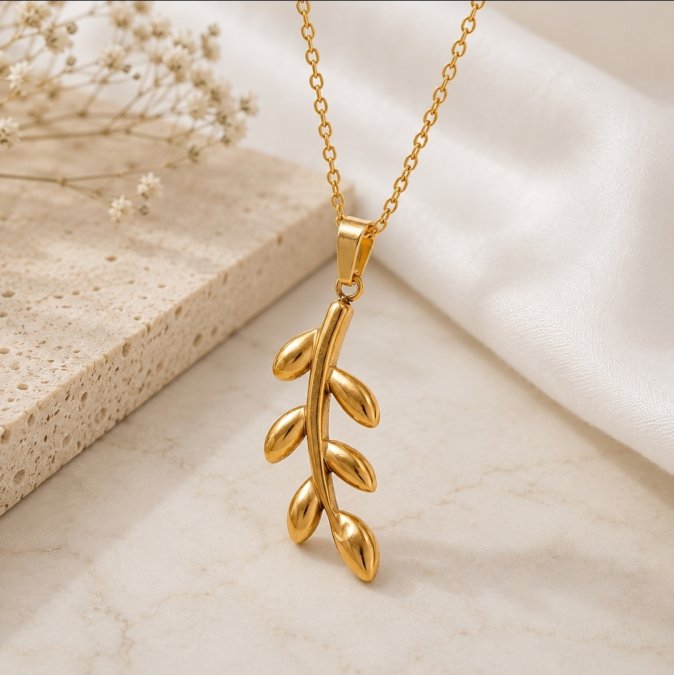
Why Does My Gold Plated Ring Leave a Dark Mark?
That reliability changes how you use jewelry. Instead of rotating pieces based on how your skin feels that morning, you build a small collection you actually wear. Here's what that delivers, and why each one holds up:
- Fewer immune reactions because the alloy releases fewer metal ions into the skin
- Comfort and skin safety for sensitive skin and earlobe sensitivity
- Durability and tarnish resistance that holds up to daily wear
- Lower long-term cost from replacing fewer pieces
- Confidence to wear the same piece to the office and to a special occasion
Fewer Reactions, Explained by the Mechanism
The benefit isn't that hypoallergenic metal is "cleaner." It's that the alloy releases fewer ions. Contact dermatitis is a delayed immune response: metal ions leach from the alloy, bind to skin proteins, and get flagged as a threat. The less a metal leaches, the less material there is for the immune system to react to.
Corrosion resistance is the variable that controls leaching. Titanium and platinum resist corrosion almost entirely, which is why they sit at the top of the safety scale. Surgical grade stainless steel, often labeled 316L, binds most of its nickel inside the alloy structure so less escapes to the skin. That's the difference between a piece you tolerate and a piece you forget you're wearing.
Comfort and Skin Safety for Sensitive Skin
Comfort comes from what isn't in the metal. Nickel-free, lead-free, and cadmium-free construction removes the most common triggers, so skin irritation stays rare even with all-day wear. Sweat, humidity, and friction accelerate metal leaching, which is why reactions tend to flare on earlobes, wrists, and fingers, the spots where moisture and rubbing concentrate.
For anyone with a nickel allergy, this is the difference between jewelry you tolerate and jewelry you forget you're wearing. Hypoallergenic certification from a manufacturer adds a layer of confidence, though the term itself isn't legally standardized in the United States, so ask what specific metals a piece contains.
Durability and Tarnish Resistance
Tarnish resistance and allergy safety overlap more than people expect. The same corrosion resistance that keeps a metal from reacting with your skin also keeps it from discoloring. A metal that doesn't corrode doesn't shed ions, and a metal that doesn't shed ions doesn't tarnish as fast.
Titanium and platinum resist tarnish almost entirely. Surgical grade stainless steel and 18k gold plating offer strong protection at lower cost. The trade-off is plating durability: a plated piece depends on that layer staying intact, which brings us to care. A thick, well-bonded gold layer over a hypoallergenic base can last years of daily wear; a thin flash plating over brass can wear through in months and expose the reactive metal underneath.
Lower Long-Term Cost
The affordability angle isn't about the sticker price. It's about replacement frequency. A reactive piece that irritates your skin gets worn once and retired, or it gets replaced when the plating fails and the base metal shows through. A hypoallergenic piece with a durable base and a sound plating layer stays in rotation, which spreads its cost across far more wears.
That math favors buying one piece you can wear daily over three cheaper pieces you can't. It also favors asking what the base metal is before you buy, since the base is what determines both the allergy risk and how the piece ages.
Confidence in Daily Wear and Special Occasions
The quiet benefit is psychological. When a piece doesn't irritate your skin, you stop thinking about it and start treating it as part of your routine. You stop doing the morning check for redness, and you stop leaving jewelry in the box out of caution.
That versatility matters for minimalists especially. A single well-made necklace or a pair of pearl hoop earrings can move from a workday to an evening event without a second thought about reactions. The benefit compounds: the more you trust a piece, the more you wear it, and the more value you get from it.

chunky pearl hoop earrings - Rida
Best Hypoallergenic Jewelry for Sensitive Skin: Materials That Work
Titanium, surgical grade stainless steel, platinum, and 14k gold are the most reliable choices for sensitive skin. Each balances safety, cost, and appearance differently, so the best option depends on how you wear it.
Material |
Allergy Risk |
Tarnish Resistance |
Best For |
|---|---|---|---|
Titanium |
Very low |
Excellent |
Piercings, daily wear |
Surgical stainless steel |
Low |
Very good |
Active lifestyles, budget |
Platinum |
Very low |
Excellent |
Heirloom pieces |
14k gold |
Low |
Good |
Everyday fine jewelry |
Sterling silver |
Moderate |
Fair |
Fashion pieces, short wear |
Low |
Good |
Affordable daily wear |
Titanium, Surgical Stainless Steel, and Platinum
Titanium sits at the top for biocompatibility. It contains no nickel in most jewelry grades, resists corrosion, and weighs less than gold, which makes it a favorite for piercings and earlobe sensitivity.
chunky pearl hoop earrings - Rida →
Surgical grade stainless steel, often labeled 316L, uses a nickel-binding structure that keeps most of the metal from leaching. It's the practical pick for people who want durability without a fine-jewelry budget. Platinum rounds out the group as the most inert precious metal, though its price reflects that.
14k Gold, Sterling Silver, and 18k Gold-Plated Options
14k gold blends gold with alloy metals, and the gold content usually shields skin from the trace elements underneath. Reaction risk is low for most people, though a small number still react to the alloy.
Sterling silver is 92.5% silver with copper and other metals, so it carries moderate risk for nickel-sensitive wearers. 18k gold-plated pieces offer a smart middle path: a thick gold layer over a hypoallergenic base gives you the look of fine gold at a lower price. This is the construction behind much of what we make at Zoha Los Angeles, including our infinity necklace in gold and silver and our IZA evil eye necklace.


Caring for 18k Gold-Plated Jewelry to Extend Its Life
Caring for 18k gold-plated jewelry comes down to protecting the gold layer. The plating is what keeps base metals away from your skin, so anything that scratches or strips it shortens the piece's safe life.
A simple routine keeps plating intact:
- Remove jewelry before swimming, showering, or heavy sweating
- Wipe with a soft dry cloth after each wear to remove oils and residue
- Store pieces separately in a pouch or lined box to prevent scratching
- Avoid perfume, lotion, and hairspray directly on the metal
- Skip abrasive polishes and ultrasonic cleaners, which strip thin plating
Water-resistant construction helps, but "water-resistant" isn't "waterproof forever." Chlorine and saltwater are harder on plating than tap water. A quick wipe-down after contact with either goes a long way.
Testing Jewelry at Home for Allergic Reactions
A home test can flag a problem before a piece becomes part of your daily rotation. There are two broad approaches: test the metal itself for nickel content, or test your skin's response to the piece. The first tells you what's in the jewelry; the second tells you how your body reacts to it. Most people benefit from doing both.
Testing the Metal for Nickel Content
The most direct method uses a commercially available nickel test kit, sold at many pharmacies and online. These kits typically use a chemical reagent (often dimethylglyoxime, the same compound used in clinical patch testing) that turns pink or red when it contacts nickel ions. The procedure is simple:
- Clean the jewelry with a soft cloth to remove oils and residue
- Apply a drop of the test solution to a cotton swab
- Rub the swab on the part of the piece that touches your skin, not just the visible surface
- Watch for a color change over the time window the kit specifies, usually one to two minutes
A pink or red result indicates nickel is present and leaching from the surface. A no-change result suggests the surface is nickel-free, but it does not guarantee the interior is. A thick gold or rhodium plating can mask a nickel-containing base, and the kit only reads what's on the surface. That's why a negative result on a plated piece is provisional: it can change once the plating wears.
Testing Your Skin's Response
If you'd rather test your body than the metal, the wear-and-wait method is the practical option. Because contact dermatitis is delayed, a piece that feels fine immediately can still cause trouble 24 to 48 hours later. A staged approach catches that:
- Day one: wear the piece for two hours, then remove it and check the contact area
- Day two: wear it for four hours, then check again
- Day three: wear it for a full day, then check the morning after
Watch for redness, itching, swelling, small fluid-filled bumps, or a rash confined to where the metal touched skin. Symptoms that appear a day or two after wear point toward an allergic reaction rather than simple irritation from a rough edge.
The Nail Polish Barrier Test
A third method, the barrier test, doesn't identify the metal but can confirm whether the metal is the problem. Coat the part of the jewelry that touches your skin with a thin layer of clear nail polish, let it cure fully, and wear the piece for a few hours. If no redness or itching appears, the metal underneath is likely the trigger. If symptoms show up anyway, the piece probably contains a metal your skin rejects, or the reaction is coming from something else, such as a fragrance or lotion residue.
The barrier test is a diagnostic, not a fix. Nail polish chips and wears away, and once it does, the metal is exposed again. It's useful for confirming a suspicion, not for making a reactive piece safe for daily wear.
What Home Tests Can't Tell You
Home tests tell you whether a specific piece bothers your skin. They can't tell you which metal caused it. A piece can contain nickel, cobalt, and chromium, and a positive result doesn't isolate the culprit. If you react to several pieces across different materials, guessing wastes time and money.
A dermatologist-recommended patch test remains a reliable way to confirm a nickel allergy or identify a specific trigger. In a patch test, small amounts of common allergens are applied to the skin under patches and read after 48 to 96 hours, which matches the delayed timeline of contact dermatitis.
Layering and Styling Hypoallergenic Jewelry for Sensitive Skin
Layering works for sensitive skin as long as every piece in the stack is safe. One reactive chain against your neck can undo the care you took choosing the others.
Build layers from a hypoallergenic base: a stainless steel or 18k gold-plated chain first, then add pendants or shorter pieces on top. Keep total weight light around the collarbone, since friction and pressure increase metal leaching.
For ear stacks, choose titanium or surgical steel posts for the piercings closest to the lobe, where sensitivity runs highest. Statement pieces like the chunky pearl hoop earrings work well as the single focal point, letting you skip extra layers that multiply contact points.
A minimalist approach solves most styling problems. One meaningful necklace, one pair of earrings, and one bracelet, all in safe metals, covers daily wear and special occasions without a rotation of risky pieces.
Sensitive skin shouldn't limit what you wear, but it does demand that you know what's in your jewelry. Zoha Los Angeles builds 18k gold-plated pieces on hypoallergenic, tarnish-resistant bases, finished with water-resistant construction and shipped in a free gift box. Our customers rate us 5.0 out of 5.0 for quality, design, and durability, and every piece is made to be worn every day, not saved for special occasions. Explore the collection and find jewelry that treats your skin as carefully as you do.
Frequently Asked Questions
What jewelry materials are considered hypoallergenic?
Hypoallergenic jewelry is typically made from metals that resist releasing nickel ions, the most common allergen. Safe options include titanium, surgical-grade stainless steel, platinum, 14k or higher gold, sterling silver, and nickel-free alloys. Look for pieces labeled nickel-free, lead-free, and cadmium-free. 18k gold-plated jewelry over a stainless steel base also works well for many people with sensitive skin because the plating creates a barrier against base metal contact.
Is 18k gold-plated jewelry considered hypoallergenic?
Yes, 18k gold-plated jewelry can be hypoallergenic when the base metal is nickel-free and the plating is thick enough to prevent metal leaching. The gold layer acts as a barrier, but once it wears thin, the underlying metal may cause reactions. Choose pieces from brands that use tarnish-resistant, hypoallergenic materials and follow care instructions to extend plating durability. Zoha Los Angeles uses 18k gold plating over hypoallergenic bases.
How do I know if my jewelry is causing an allergic reaction?
Signs of nickel allergy from jewelry include redness, itching, swelling, or a rash at the contact site, often appearing hours to days after wearing. Earlobe sensitivity and skin irritation are common. If symptoms clear when you remove the piece and return when you wear it again, that's a strong clue. A dermatologist can confirm with a patch test. Switching to hypoallergenic jewelry usually resolves the issue.
Can I shower with hypoallergenic jewelry?
It depends on the material and construction. Water-resistant pieces like those made from surgical grade stainless steel or well-plated 18k gold can handle occasional splashes, but repeated exposure to soap, shampoo, and chlorine can break down plating over time. To protect your jewelry, remove it before showering or swimming. If you want to wear it daily, look for pieces specifically labeled waterproof and follow the brand's care guidelines.