


Table of Contents
- How Hairspray Damages Gold Plated Jewelry
- Understanding Gold Plating Degradation
- Does Gold Plated Jewelry Turn Skin Green
- The 'Last On, First Off' Rule and Daily Protection
- How to Clean Gold Plated Jewelry Safely
- Proper Storage and Preventative Maintenance
- Repair vs. Replacement: When to Restore Your Jewelry
- Protecting Your Gold Plated Jewelry From Daily Damage
- Frequently Asked Questions
Last Updated: October 4, 2026
How Hairspray Damages Gold Plated Jewelry
Hairspray gold plated jewelry damage is one of the most common issues affecting delicate pieces. The chemicals in hairspray interact with the delicate plating layer, causing it to deteriorate faster than normal wear would suggest. Understanding why this happens helps you protect your pieces and make smarter choices about when and how to wear your favorite gold-plated accessories.
The Chemical Reaction Between Hairspray and Gold Plating
Gold plating sits as a thin protective layer over base metal. When hairspray particles land on this surface, they create a sticky residue that traps moisture underneath. This moisture accelerates oxidation and corrosion of the base metal beneath the plating.
The polymers in hairspray are designed to hold hair in place. They're sticky by nature. Once they coat your jewelry, they form a barrier that prevents air circulation. The base metal can't breathe. Water and oxygen get trapped, speeding up chemical reactions that break down the protective coating.
Most hairsprays contain alcohol-based products. These evaporate quickly from hair but leave a film on jewelry. That film buildup is what causes the real damage over time.
Why Base Metal Corrosion Happens
Gold plating doesn't protect forever. The base metal underneath, usually brass, copper, or nickel, reacts with oxygen and moisture to form oxides. This process is called oxidation.
Hairspray accelerates this process by:
- Trapping moisture against the metal surface
- Creating a film that prevents natural drying
- Introducing chemical compounds that react with base metals
- Building up residue that holds acidic sweat against the jewelry
When the plating degrades, the base metal becomes exposed. Once exposed, it tarnishes quickly and can turn your skin green or cause irritation.
The thinner your gold plating, the faster this happens. Quality matters here.
Understanding Gold Plating Degradation
Gold-plated jewelry degrades through several mechanisms. Hairspray is just one factor. Understanding all of them helps you extend the life of your pieces.
Micro-Scratches and Accelerated Wear
Every time you wear jewelry, tiny scratches accumulate on the surface. These micro-scratches are invisible to the naked eye but they matter. They create entry points where moisture can reach the base metal underneath.
Hairspray residue makes micro-scratches worse. The sticky coating sits in these tiny cracks. Water pools there. The base metal oxidizes faster in these pockets.
Friction from clothing, movement, and contact with skin all contribute to micro-scratching. You can't eliminate it completely, but you can slow it down by:
- Removing jewelry before activities that cause friction
- Avoiding contact with abrasive surfaces
- Storing pieces separately so they don't rub against each other
- Using a soft polishing cloth to clean, never scrubbing hard
Moisture and Environmental Factors
Moisture is the enemy of gold-plated jewelry. Water, sweat, and humidity all trigger oxidation of the base metal. Hairspray traps moisture directly against the metal surface, which is why it's so damaging.
Environmental factors that speed up plating degradation include:
- High humidity environments (bathrooms, humid climates)
- Saltwater exposure (ocean, salt spray)
- Chlorine (pools, hot tubs)
- Sweat from exercise or warm weather
- Rain and weather exposure
Your skin chemistry matters too. Some people's sweat is more acidic than others. Acidic sweat accelerates corrosion of base metals. If you notice your jewelry tarnishes quickly, your skin chemistry may be a factor.
Does Gold Plated Jewelry Turn Skin Green
Yes, gold-plated jewelry can turn your skin green. This happens when the base metal oxidizes and comes into contact with your skin. The green discoloration is copper oxide, a harmless but visible reaction.
When Oxidation Causes Discoloration
The green color appears when copper in the base metal reacts with oxygen and moisture. This creates copper oxide, which transfers to your skin as a greenish tint. It's not harmful, but it's annoying and looks like the jewelry is damaging your skin.
This happens faster with hairspray exposure because:
- Hairspray traps moisture against the metal
- The sticky residue prevents the surface from drying
- Oxidation accelerates in moist conditions
- The plating degrades faster, exposing base metal
Zoha Los Angeles pieces are designed to resist this. The 18K gold plating provides a barrier between your skin and the base metal. Hypoallergenic materials minimize reactions for sensitive skin.
Preventing Green Skin Reactions
The best prevention is keeping moisture away from the base metal. This means:
- Removing jewelry before showering or swimming
- Applying hairspray before putting on jewelry
- Drying your hands completely before wearing rings
- Storing jewelry in a dry environment
- Avoiding contact with lotions and oils that trap moisture
If you already have green discoloration on your skin, it will fade within a few hours to a day. It's not permanent. Washing the area with soap and water removes the copper oxide.
If your jewelry has already started showing signs of oxidation, cleaning it properly can help restore it temporarily. But once the plating is compromised, replacement may be necessary.
The 'Last On, First Off' Rule and Daily Protection
The "last on, first off" rule is simple: put on your jewelry last before leaving home, and take it off first when you return. This minimizes the time your pieces spend exposed to environmental damage.
This rule matters because hairspray, perfume, lotion, and other cosmetics are applied before you get dressed. By putting jewelry on last, you avoid contact with these products entirely.
Apply your full routine in this order:
- Shower and dry completely
- Apply skincare and lotions
- Apply makeup
- Apply perfume and hairspray
- Get dressed
- Put on jewelry
When you come home, reverse the process:
- Remove jewelry first
- Remove clothing
- Wash off makeup, perfume, and hairspray
- Shower if needed
This protects your jewelry from daily chemical exposure. It's the single easiest way to extend the life of gold-plated pieces.
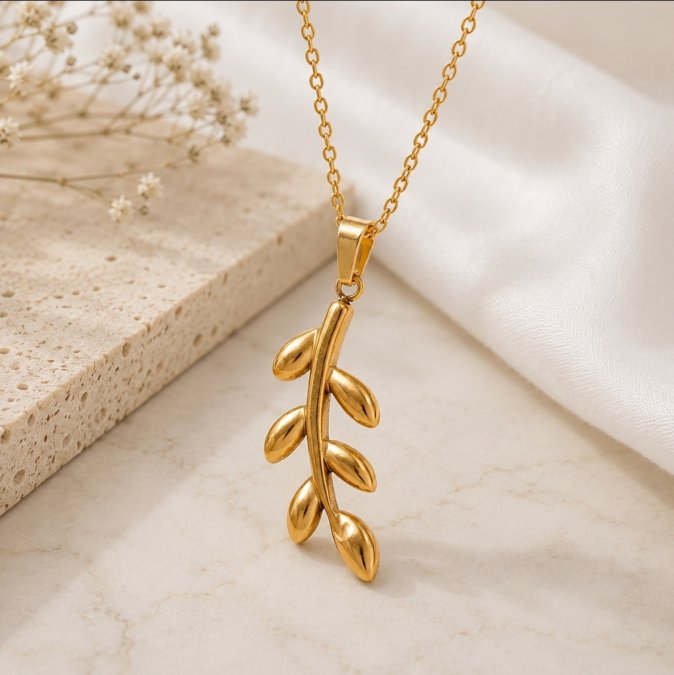
How to Clean Gold Plated Jewelry Safely
Cleaning gold-plated jewelry requires a gentle touch. Harsh methods damage the protective coating and expose the base metal underneath.
Gentle Cleaning Methods That Preserve the Protective Coating
The safest cleaning method uses warm water, mild soap, and a soft cloth. This removes hairspray residue, sweat, and oils without damaging the plating.
Steps for safe cleaning:
- Fill a shallow bowl with warm water
- Add a few drops of mild dish soap
- Soak jewelry for 2-3 minutes
- Gently wipe with a soft, lint-free cloth
- Rinse under running water
- Dry completely with a clean cloth
- Let air dry fully before storing
This method works for most everyday jewelry. It removes buildup without creating micro-scratches. Do this monthly or whenever you notice residue on your pieces.
For stubborn buildup, soak for 5 minutes instead of 2-3. Never scrub or use a brush. The goal is gentle removal, not aggressive cleaning.
Common Household Chemicals to Avoid
Many common household products damage gold-plated jewelry. Avoid these entirely:
Never use:
Sparkly Paperclip Link Necklace →
- Bleach or harsh cleaners
- Vinegar or lemon juice
- Toothpaste or baking soda
- Rubbing alcohol
- Acetone or nail polish remover
- Ammonia-based cleaners
- Ultrasonic cleaners (too aggressive)
- Commercial jewelry cleaners designed for solid gold
These products are too harsh for the delicate plating. They strip away the protective layer and expose base metal. Even "gentle" commercial cleaners often contain abrasive particles.
Household items that are safe:
- Mild dish soap (the gentlest option)
- Distilled water (better than tap water, which contains minerals)
- Soft microfiber cloths (never paper towels)
- Soft-bristled brushes only for very stubborn residue
The safest approach is the simplest: warm water and mild soap. This removes everything hairspray and daily wear deposit without any risk to your pieces.
Proper Storage and Preventative Maintenance
How you store jewelry matters as much as how you wear it. Poor storage accelerates tarnishing and plating degradation.
Store your gold-plated pieces in a cool, dry place away from direct sunlight. Humidity is the enemy. Bathrooms are the worst storage location because moisture levels fluctuate constantly.
Best storage practices:
- Keep jewelry in individual pouches or boxes
- Store in a cool, dry closet or drawer
- Avoid stacking pieces on top of each other
- Use silica gel packets in storage containers to absorb moisture
- Keep away from direct sunlight, which can fade colors
- Store away from heat sources
Separate storage prevents pieces from rubbing against each other. Friction creates micro-scratches that accelerate plating degradation.
Use soft pouches, not hard cases. Soft pouches protect from moisture while allowing minimal air circulation. Hard cases can trap moisture if not sealed properly.
Check your jewelry monthly. Look for early signs of tarnishing or discoloration. Early detection lets you address problems before they become serious.
Repair vs. Replacement: When to Restore Your Jewelry
Once gold plating degrades significantly, you face a choice: repair or replace. Understanding when each makes sense helps you make the right decision and avoid wasting money on pieces that won't last.
The True Cost of Professional Replating
Professional replating costs between $25 and $75 per piece depending on size and complexity. However, this is only the direct cost. You must also factor in:
Hidden costs of replating:
- Shipping to and from the jeweler (often $10-20 round trip)
- Turnaround time (typically 2-4 weeks, meaning you can't wear the piece)
- Risk of damage during the replating process (jewelers use harsh chemicals and electrical current that can weaken the base metal or damage delicate settings)
- No guarantee the replating will last as long as the original (replated pieces often degrade faster than factory plating)
The effective cost of replating is often $40-100 when you include shipping and lost wear time.
Durability Reality: Replated vs. Original Plating
This is the critical factor most people overlook. Factory gold plating is applied under controlled conditions with precise thickness and adhesion. Professional replating, while competent, rarely matches factory quality because:
- The base metal surface has already been compromised by oxidation and corrosion
- Removing old plating requires aggressive chemical stripping that can weaken the base metal
- Replating thickness is often thinner than original plating to reduce costs
- The adhesion bond between new plating and a previously corroded base metal is weaker than the original bond
Result: Replated jewelry typically lasts 1-3 years before degradation becomes visible again, compared to 3-7 years for original factory plating (with proper care). You may find yourself replating the same piece multiple times, turning a $30 piece into a $100+ investment over five years.
Decision Framework: Repair vs. Replace
Repair (replating) makes financial sense when:
- The piece has genuine sentimental or heirloom value that cannot be replaced
- The base metal is still structurally sound (no pitting, corrosion, or weakness)
- Damage is limited to surface tarnishing or minor plating loss (not extensive base metal exposure)
- You are willing to invest in significantly better preventative care going forward to extend the replated piece's life
- The original piece cost more than $100-150 (making the $40-100 replating cost reasonable as a percentage of original value)
Replacement makes financial sense when:
- The original piece cost less than $75-100 (replating costs approach or exceed the original purchase price)
- Damage is extensive, base metal is pitted, corroded, or structurally compromised
- The piece has no sentimental value
- You want to start fresh with a higher-quality piece that will last longer
- You're willing to invest in better preventative habits with the new piece
The Preventative Care Multiplier
Here's the reality that changes the equation: A $40 gold-plated piece with excellent preventative care lasts 5-7 years. The same piece with poor care lasts 1-2 years. This means:
- Poor care: $40 piece ÷ 1.5 years = $27 per year
- Good care: $40 piece ÷ 6 years = $7 per year
If you've already damaged one piece through poor habits (like applying hairspray after wearing jewelry), replating it is only worthwhile if you commit to the preventative practices outlined in this guide. Otherwise, you're paying $50-100 to repeat the same damage cycle.
Quality Upgrade Opportunity
When replacing a damaged piece, consider investing in higher-quality gold plating. The difference in upfront cost is modest but the durability difference is significant:
- Standard plating (0.5-1 micron): Visible tarnishing within 2-3 years with average care
- Heavy plating (2-3 microns): Visible tarnishing within 5-7 years with average care
- Solid gold or gold-filled (14K or 18K): No tarnishing; lasts decades
A piece with 18K gold plating (2-3 microns) costs roughly 20-30% more than standard plating but lasts 2-3 times longer. Over a 10-year period, the cost per year is actually lower. If you've already invested time in learning proper care habits, upgrading the quality of your next piece makes financial sense.
When to Accept Replacement as the Better Path
If you find yourself considering replating a piece you've owned for less than three years, that's a signal that either:
- Your preventative care habits need improvement, or
- The original piece was lower quality
In either case, replacement with a commitment to better habits is the smarter long-term investment. You'll spend less money, get a piece that lasts longer, and develop care routines that protect all your jewelry going forward.
Protecting Your Gold Plated Jewelry From Daily Damage
Long-term protection comes from consistent daily habits. Small changes compound into significantly extended jewelry life.
The foundation of protection:
- Apply hairspray before putting on jewelry
- Remove jewelry before showering, swimming, or exercising
- Dry your hands and skin completely before wearing rings
- Clean monthly with mild soap and warm water
- Store in a cool, dry place in individual pouches
- Avoid contact with lotions, perfumes, and oils
- Don't wear the same piece every single day
Rotation helps too. If you have multiple pieces, wear them on different days. This gives each piece recovery time between wears. The base metal can dry completely and oxidation slows.
Consider your lifestyle when choosing pieces. If you exercise frequently or live in a humid climate, invest in quality pieces you'll protect carefully. If you prefer low-maintenance jewelry, solid gold or stainless steel may be better choices despite higher upfront costs.
At Zoha Los Angeles, our hairspray gold plated jewelry collection features 18K plating designed for daily wear. The thicker plating and hypoallergenic materials mean pieces hold up better to regular use. The Sparkly Paperclip Link Necklace and Aurelia Knot Earrings are popular choices for people who want quality pieces they can wear confidently every day.

Hairspray damage to gold-plated jewelry is preventable. The key is understanding that timing matters more than avoidance. Apply hairspray before jewelry, not after. Store pieces properly. Clean gently and regularly. These habits protect your investment and keep your favorite pieces looking brilliant for years. At Zoha Los Angeles, we design our 18K gold-plated jewelry to withstand daily wear with proper care. Shop our collection of tarnish-resistant, hypoallergenic pieces designed for lasting elegance.
Frequently Asked Questions
Can I wear gold plated jewelry right after applying hairspray?
No. Hairspray contains alcohol-based products and synthetic polymers that create a corrosive film on the protective coating. Apply hairspray at least 10-15 minutes before putting on your jewelry, and allow it to dry completely. This is the 'last on, first off' rule: hairspray and cosmetics should be applied before jewelry goes on. This simple step prevents residue from building up on the surface finish and extends the life of your pieces significantly.
Why does gold plated jewelry turn skin green?
Gold plated jewelry turns skin green when the plating wears away and the base metal underneath oxidizes. This oxidation creates a chemical reaction with your skin's natural oils and sweat, producing a green residue. The base metal—typically copper or nickel in lower-quality plating—corrodes faster when exposed to moisture, cosmetics, and hairspray residue. Higher-quality 18k gold plating, like that used in Zoha Los Angeles pieces, resists this oxidation far longer because the protective coating shields the base metal from environmental factors.
How do I clean gold plated jewelry if hairspray has already damaged it?
Use a gentle cleaning method: mix lukewarm water with a small amount of mild dish soap, soak your jewelry for 5-10 minutes, then use a soft polishing cloth to wipe away residue. Never use abrasive cleaners, rubbing alcohol, or jewelry cleaners designed for solid gold—these accelerate plating degradation. For stubborn film buildup from hairspray, a soft-bristled toothbrush can help, but brush gently to avoid micro-scratches. Pat dry immediately with a lint-free cloth to prevent moisture from sitting on the surface.
How long does 18k gold plating actually last with daily wear?
With proper care, 18k gold plating can last for years with daily wear. The durability depends on how often you expose your jewelry to damaging substances like hairspray, perfume, and sweat. Pieces that follow the 'last on, first off' rule and receive regular gentle cleaning last significantly longer. Zoha Los Angeles jewelry is backed by a lifetime warranty against rust and tarnish, reflecting the quality of the plating and base materials used to resist corrosion and oxidation.