


Table of Contents
- What Is Waterproof Jewelry?
- What Is Tarnish-Resistant Jewelry?
- Key Differences Between Waterproof and Tarnish-Resistant
- How PVD Coating and Gold Plating Work
- Common Materials in Waterproof and Tarnish-Resistant Jewelry
- Does Waterproof Jewelry Actually Last?
- What Causes Tarnish and Corrosion
- Can You Wear Waterproof and Tarnish-Resistant Jewelry in Water?
- How to Care for 18k Gold Plated Jewelry
- Is Gold Plated Jewelry Waterproof?
- Pros and Cons: Waterproof vs Tarnish-Resistant
- Skin Sensitivity and Metal Allergies
- Lifecycle Cost and Repairability
- Which Option Is Right for You?
- Conclusion
- Frequently Asked Questions
Last Updated: September 29, 2026
What Is Waterproof Jewelry?
Waterproof jewelry tarnish resistant pieces resist water penetration and moisture damage through protective coatings or water-resistant materials that prevent water from reaching the base metal. It can withstand daily moisture exposure without immediate degradation, though it's not indestructible.
Most waterproof jewelry uses protective coatings or water-resistant materials to create a sealed barrier over the base metal. This shield prevents water, sweat, and moisture from corroding the underlying material and causing tarnish or oxidation.
At Zoha Los Angeles, waterproof jewelry is crafted using 316L stainless steel as the base metal, combined with 18k gold plating to create pieces that handle moisture exposure without losing their brilliance. This construction allows customers to wear their jewelry continuously, through workouts, swimming, and daily activities, without worrying about discoloration or deterioration.

What Is Tarnish-Resistant Jewelry?
Tarnish-resistant jewelry is engineered to slow or prevent the chemical reaction that causes discoloration and oxidation on metal surfaces. Tarnish occurs when metals react with oxygen, moisture, and sulfur compounds in air and on skin. Tarnish-resistant finishes create a barrier that blocks these chemical interactions.
Tarnish-resistant jewelry addresses oxidation and discoloration, while waterproof jewelry addresses moisture penetration. Many pieces, including those from Zoha Los Angeles, combine both properties for dual protection.
Key Differences Between Waterproof and Tarnish-Resistant
The fundamental difference comes down to what each protects against. Waterproof jewelry prevents water and moisture from reaching the base metal, while tarnish-resistant jewelry prevents chemical reactions that cause discoloration. Think of it this way: waterproof is about moisture exclusion, tarnish-resistant is about chemical protection.
Aspect |
Waterproof Jewelry |
Tarnish-Resistant Jewelry |
|---|---|---|
Primary Protection |
Moisture and water penetration |
Oxidation and discoloration |
Best For |
Swimmers, athletes, shower wear |
Daily wear in dry conditions |
Base Metal Risk |
Protected from corrosion |
May still oxidize without coating |
Coating Type |
PVD or thick electroplating |
Protective chemical barrier |
Maintenance |
Minimal; wipe dry occasionally |
Regular cleaning to prevent buildup |
Longevity |
2-5 years with daily water exposure |
1-3 years depending on skin chemistry |
A piece can be waterproof without being tarnish-resistant, and vice versa. However, the best everyday jewelry combines both properties. When moisture reaches a non-tarnish-resistant base metal, oxidation accelerates. When a tarnish-resistant coating isn't waterproof, water eventually penetrates and causes discoloration beneath the surface.
How PVD Coating and Gold Plating Work
Physical Vapor Deposition (PVD)
Physical Vapor Deposition is a vacuum-based process that bonds a protective layer to jewelry at the atomic level. Unlike electroplating, PVD uses heat and vaporization to create an extremely durable, uniform coating.
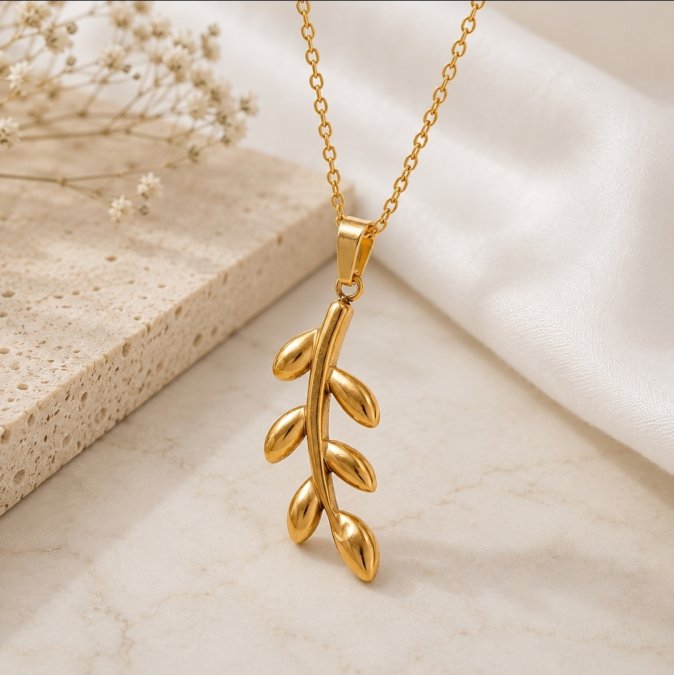
PVD coatings are significantly thicker and more durable than electroplating, resisting peeling and chipping. They typically last 2-5 years with daily water exposure, compared to 1-2 years for standard electroplating, and provide superior corrosion resistance for chlorine and saltwater environments.
PVD's dense, non-porous nature prevents oxygen and moisture from reaching the base metal, making PVD-coated jewelry both waterproof and tarnish-resistant by design. However, coatings eventually wear through with heavy use.
Electroplating and 18k Gold Plating
Electroplating deposits precious metal onto base metal using electrical current. Metal ions in solution migrate to the jewelry and bond to its surface, building up a protective layer.
18k gold plating means a layer of 18-karat gold (75% pure gold mixed with other metals for durability) is deposited over a base metal like stainless steel or brass. The thickness of gold plating varies by jeweler. Thicker plating (2-3 microns) lasts longer than thin plating (0.5-1 micron). Zoha Los Angeles uses premium electroplating to ensure jewelry maintains its gold appearance through extended wear.

Electroplating creates a durable finish. The gold layer provides aesthetic appeal and corrosion resistance, but water and moisture can eventually penetrate the plating if it becomes worn or damaged. This is why tarnish-resistant jewelry that uses electroplating should be kept dry when possible. The advantage of electroplating is cost-effectiveness and the ability to create the rich appearance of solid gold without the expense.
Common Materials in Waterproof and Tarnish-Resistant Jewelry
316L Stainless Steel
316L stainless steel is a corrosion-resistant alloy ideal for waterproof and tarnish-resistant jewelry. The "L" designation indicates low carbon content. Chromium and molybdenum form a protective oxide layer, preventing rust and oxidation even without additional coating.
316L is hypoallergenic, making it safe for people with sensitive skin or metal allergies. Unlike nickel-heavy alloys, 316L doesn't trigger allergic reactions in most wearers. The base metal's natural resistance to corrosion means that even if the protective coating wears away, the underlying stainless steel won't immediately tarnish or discolor. This provides a safety margin that cheaper base metals don't offer.
316L's durability makes it ideal for regular water exposure.
Surgical Steel and Hypoallergenic Options
Surgical steel refers to 316L stainless steel used in medical and body jewelry. It meets strict biocompatibility standards and contains minimal nickel and no known allergens.
Sterling Silver and Gold Vermeil
Sterling silver is 92.5% pure silver mixed with other metals for strength. However, it tarnishes readily in air and reacts with sulfur compounds, requiring regular polishing without protective coating.
Does Waterproof Jewelry Actually Last?
The durability of waterproof jewelry depends on the quality of the coating, the base metal, and how the piece is worn. Waterproof jewelry doesn't last forever, but it lasts significantly longer than uncoated or poorly coated pieces. High-quality waterproof jewelry with premium electroplating typically maintains its appearance for 2-5 years with daily wear, including regular water exposure.
What Causes Tarnish and Corrosion
Tarnish and corrosion are electrochemical processes that occur when metal atoms lose electrons to oxidizing agents in the environment. Understanding the specific mechanisms helps explain why certain coatings work and others fail.
The Chemistry of Tarnish
Sterling silver tarnishes through oxidation and reaction with hydrogen sulfide (H₂S) in air, forming silver sulfide that appears dark brown or black. Hydrogen sulfide comes from decaying organic matter, industrial pollution, and rubber products stored near jewelry.
How Protective Coatings Block Chemical Reactions
Tarnish-resistant and waterproof coatings work by creating a physical barrier that prevents the metal from contacting the oxidizing agents. A PVD coating or electroplated layer acts as a shield, blocking oxygen and hydrogen sulfide from reaching the base metal beneath. Because the chemical reaction cannot occur without direct contact between the metal and the oxidizing agent, the coating effectively halts tarnish formation.
Corrosion: A Deeper Threat
Corrosion is more aggressive than tarnish. While tarnish is primarily a surface discoloration, corrosion involves the breakdown of the metal's atomic structure. Corrosion occurs through electrochemical processes where metal atoms lose electrons to oxygen, water, or other oxidizing agents, weakening the metal and potentially creating pits or structural damage.
Skin Chemistry and Accelerated Corrosion
Sweat contains salt, lactic acid, and urea that accelerate tarnish and corrosion. Salt acts like a miniature saltwater bath, acids lower pH and increase oxidation, and moisture speeds all electrochemical reactions.
Environmental Factors That Accelerate Degradation
Humidity dramatically increases tarnish and corrosion rates. Air pollution increases atmospheric sulfur compounds that tarnish silver. Materials stored near jewelry, rubber bands, certain plastics, and wool, release sulfur compounds that tarnish silver rapidly.
Star Charm Necklace – 18k Gold Plated →
Can You Wear Waterproof and Tarnish-Resistant Jewelry in Water?
Yes, waterproof jewelry is specifically designed for water exposure. You can wear it while showering, swimming, exercising, and doing water sports. The protective coating prevents water from reaching the base metal, so the jewelry won't rust, corrode, or tarnish from water contact alone.
How to Care for 18k Gold Plated Jewelry
Proper care extends the life of gold-plated jewelry dramatically. The gold plating is a thin protective layer, and how you treat it determines how long it lasts. Start by removing gold-plated jewelry before activities that will subject it to friction or harsh conditions. Sleep, exercise, swimming, and household chores are prime opportunities to remove jewelry and let your skin rest.
Is Gold Plated Jewelry Waterproof?
Gold-plated jewelry can be waterproof, but it depends on the thickness of the plating and the quality of the base metal. Thin gold plating (less than 1 micron) over a reactive base metal is not truly waterproof. Water will eventually penetrate the plating and reach the base metal, causing oxidation and discoloration.
Pros and Cons: Waterproof vs Tarnish-Resistant
Waterproof jewelry excels in wet environments and high-activity situations, offering freedom to wear it swimming, showering, and exercising without worry. It requires minimal maintenance and no regular cleaning or polishing.
Property |
Waterproof Jewelry |
Tarnish-Resistant Jewelry |
|---|---|---|
Water Tolerance |
Excellent; daily shower/swim safe |
Moderate; occasional water only |
Maintenance |
Minimal; occasional wipe-down |
Regular; periodic cleaning needed |
Cost |
Higher; premium materials required |
Variable; depends on base metal |
Aesthetic Options |
Limited; mostly stainless steel |
Broad; silver, gold, mixed metals |
Longevity |
2-5 years with water exposure |
1-3 years depending on care |
Best For |
Active people, swimmers, 24/7 wear |
Occasional wear, dry environments |
Allergies |
Hypoallergenic options available |
May contain nickel or allergens |
Skin Sensitivity and Metal Allergies
Metal allergies affect roughly 10-15% of the population, most commonly from nickel, cobalt, and chromium. These metals leach ions into sweat and skin oils, triggering reactions from mild irritation to severe dermatitis.
Lifecycle Cost and Repairability
When evaluating waterproof versus tarnish-resistant jewelry, consider the total cost of ownership over time, not just the purchase price. The true cost includes the initial purchase, maintenance, repairs, and how long the piece remains wearable before replacement becomes necessary.
Lifecycle Cost Comparison
Waterproof jewelry typically costs more upfront than basic tarnish-resistant pieces. For example, the Star Charm Necklace is $25.00, while the YUSRA Evil Eye Necklace is $45.00. However, waterproof jewelry requires minimal maintenance, occasional rinsing and drying, with no professional cleaning needed.
Cost Per Wear Analysis
Cost per wear is a useful metric for evaluating jewelry value. A waterproof piece worn daily for 3 years (1,095 wears) costs approximately $0.046 per wear. A tarnish-resistant piece worn daily for 2 years (730 wears) plus maintenance costs $0.15 per wear, more than three times higher.
Repairability and Refinishing Options
Repairability differs significantly between waterproof and tarnish-resistant jewelry, affecting long-term value.
Tarnish-resistant jewelry can be restored through several methods:
- DIY polishing: Silver polish ($5-10) can restore tarnished sterling silver or gold vermeil at home. This works for light to moderate tarnish but requires care to avoid over-polishing, which removes metal.
- Professional polishing: Jewelers can professionally polish tarnished pieces ($15-30), removing tarnish without damaging the piece. This is ideal for valuable or delicate pieces.
- Re-plating: If the gold plating on vermeil or gold-plated sterling silver wears away, jewelers can re-plate the piece ($20-50 depending on size and complexity). This fully restores the appearance and extends the piece's life by several years.
- Restoration: Damaged sterling silver can be repaired by a jeweler (soldering, reshaping, etc.), making it possible to restore even structurally compromised pieces.
Waterproof jewelry has more limited repairability:
- DIY care: Gentle wiping with a soft cloth removes daily dust and oils but cannot restore a worn waterproof coating.
- Professional refinishing: If the waterproof coating fails, professional refinishing is necessary. However, PVD coating application requires specialized equipment (vacuum chambers) that few jewelers have in-house. Refinishing typically costs $30-60 and may require sending the piece to a specialized facility, adding 2-4 weeks to the timeline.
- Replacement: For many consumers, once a waterproof coating fails, replacement is more practical than refinishing, especially for lower-cost pieces. A $45 piece may not justify $40 in refinishing costs.
- Warranty coverage: Many waterproof jewelry manufacturers, including those offering lifetime warranties, will refinish or replace pieces with coating defects at no cost under normal wear conditions. This effectively extends the lifecycle without additional cost to the consumer.
Repairability and Material Value
Material composition affects repairability economics. A tarnish-resistant piece made from sterling silver or gold vermeil has intrinsic material value. Even if the piece is damaged or the plating wears away, the underlying silver or gold has resale or melt value. A damaged sterling silver bracelet can be melted down and the silver recovered, providing some value recovery.
Choosing Based on Lifecycle Economics
Choose waterproof jewelry if you wear jewelry daily or multiple times per week. The lower maintenance costs and longer effective lifespan make waterproof jewelry more economical for frequent wear.
Which Option Is Right for You?
Choose waterproof jewelry if you're an active person, swimmer, or someone who wears jewelry 24/7. Waterproof jewelry is ideal for people who don't want to think about jewelry care, put it on and forget about it. Athletes, people with physically demanding jobs, and anyone who showers or exercises in jewelry should prioritize waterproof options.
Conclusion
The choice between waterproof and tarnish-resistant jewelry ultimately depends on your lifestyle and priorities. Waterproof jewelry excels for active wear, water exposure, and people with metal allergies, while tarnish-resistant jewelry offers aesthetic variety and works well for occasional wear in dry conditions. The best everyday jewelry combines both properties, water resistance paired with tarnish protection.
Material Science Behind Metal Corrosion
Nickel Allergy and Dermatitis: Clinical Overview
Physical Vapor Deposition Coating Standards
Frequently Asked Questions
Does waterproof jewelry mean it won't tarnish?
Not necessarily. Waterproof jewelry resists water damage and corrosion from moisture exposure, but tarnish is caused by chemical reactions with air, sweat, and skin acidity. A piece can be waterproof yet still tarnish over time. True tarnish resistance requires protective coatings like PVD or gold plating that create a barrier against oxidation. Many modern pieces combine both properties for maximum durability.
What is the difference between gold-plated and waterproof jewelry?
Gold plating is a protective coating applied through electroplating, creating a layer of gold over a base metal like stainless steel. This makes jewelry tarnish-resistant and more attractive, but the plating can wear away with daily use. Waterproof jewelry resists water penetration and moisture damage. Quality gold-plated pieces like those with 18k gold plating on 316L stainless steel combine both benefits, offering tarnish resistance and water resistance for everyday wear.
How does 18k gold plating hold up against water and sweat?
18k gold plating provides excellent water and sweat resistance when applied over a corrosion-resistant base metal like 316L stainless steel. The gold coating creates a protective barrier that prevents the base metal from oxidizing or discoloring your skin. However, daily exposure to chlorine, saltwater, and harsh sweat can gradually thin the plating over months or years. Proper care—rinsing after swimming and drying thoroughly—extends the coating's life significantly.
Is anti-tarnish jewelry worth buying for everyday wear?
Yes, tarnish-resistant jewelry is a worthwhile investment for daily wear. Pieces with 18k gold plating maintain their shine and color far longer than uncoated metals, reducing the need for frequent cleaning and maintenance. For someone wearing jewelry daily in various conditions—work, gym, outdoor activities—tarnish-resistant options save time and money by extending the visible lifespan. The initial cost difference is offset by reduced replacement frequency.
Can you wear tarnish-resistant jewelry in the pool or ocean?
Tarnish-resistant jewelry can handle brief pool and ocean exposure, but prolonged contact with chlorine and saltwater degrades protective coatings faster. The chemical compounds in pools and saltwater accelerate corrosion and can damage the protective layer. If you wear tarnish-resistant pieces in water, rinse them immediately with fresh water and dry thoroughly to minimize damage. For frequent swimmers, removing jewelry before water activities is the best practice to maintain longevity.
What causes jewelry to tarnish and corrode?
Tarnish occurs when metals react with oxygen, sulfur, and moisture in the air—a process called oxidation. Corrosion happens when base metals react with sweat (containing salt and acids), humidity, and chlorine. Skin pH and individual body chemistry also accelerate tarnishing. Metals like sterling silver and uncoated copper tarnish quickly, while stainless steel and gold-plated pieces resist these reactions due to their protective layers. Understanding these causes helps you choose the right material for your lifestyle.
How long does gold plating typically last on jewelry?
Gold plating durability depends on thickness, base metal quality, and wear intensity. Thicker 18k gold plating on 316L stainless steel can last 2-5 years with daily wear and proper care. Thinner plating may wear noticeably within 6-12 months. Factors like frequent water exposure, sweat, friction from clothing, and harsh cleaning accelerate wear. Quality pieces from reputable makers last longer than budget options. Proper care—avoiding abrasive cleaners and drying after water contact—extends plating life significantly.