


Table of Contents
- Why Gold Plated Minimalist Rings Matter
- Quick Comparison: Pricing and Features
- 1. Alena Ring: The Everyday Essential
- 2. Sofi Ring: Clean Lines for Stacking
- 3. Elisa Ring: Versatile Two-Tone Option
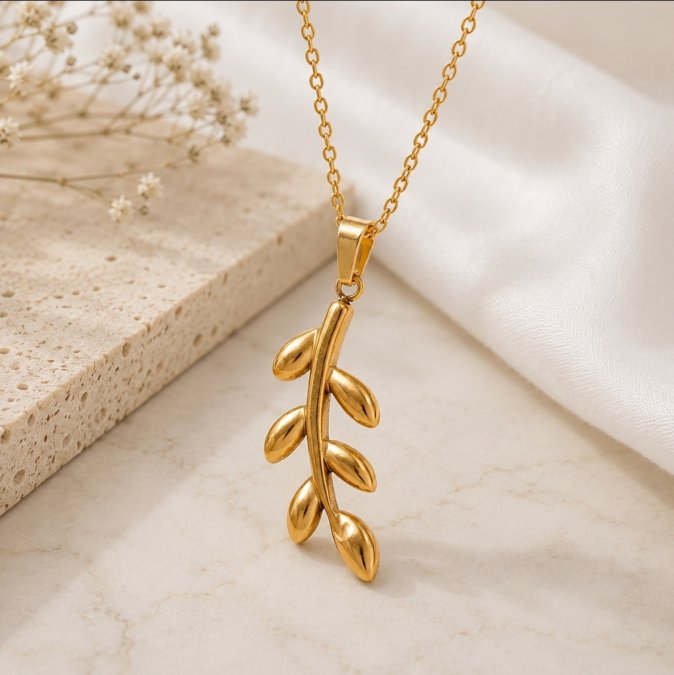
- 4. Leaf Ring: Nature-Inspired Statement Piece
- Gold Plated vs Gold Filled Rings: What You're Paying For
- How to Clean Gold Plated Jewelry Safely
- Tarnish-Resistant Gold Plated Jewelry: Durability Explained
- Styling Minimalist Rings for Every Look
- Frequently Asked Questions
Last Updated: September 20, 2026
Why Gold Plated Minimalist Rings Matter
Minimalist jewelry has shifted from a niche aesthetic to a mainstream wardrobe essential. The appeal is straightforward: clean lines, understated elegance, and the versatility to work with almost any outfit. But when you buy gold plated minimalist rings, you're making a practical choice, not just an aesthetic one. These pieces work for everyday wear, layering, and meaningful gifting. The challenge is finding pieces that actually deliver on durability and quality without the premium price tag of solid gold.
At Zoha Los Angeles, we understand what makes gold plated minimalist rings work in real life. Our collection focuses on designs that pair everyday wearability with lasting brilliance. Whether you're building a stacking ring collection or looking for a single versatile piece, the right gold plated minimalist rings become the foundation of your jewelry rotation.
Quick Comparison: Pricing and Features
Ring |
Price |
Material |
Best For |
Key Feature |
|---|---|---|---|---|
$25 |
18k Gold Plated / Stainless Steel |
Everyday essentials |
Adjustable, stackable |
|
Sofi Ring |
$25 |
18k Gold Plated / Stainless Steel |
Clean stacking |
Dainty band, versatile |
Elisa Ring |
$25 |
18k Gold Plated / Stainless Steel |
Two-tone styling |
Gold and silver options |
Leaf Ring |
$30 |
18k Gold Plated / Stainless Steel |
Nature-inspired |
Statement piece, adjustable |
All pieces are hypoallergenic, waterproof, and backed by a lifetime warranty against rust and tarnish.

1. Alena Ring: The Everyday Essential
The Alena Ring is the foundation piece most minimalist jewelry collections need. Its clean, dainty design works alone or stacked with others, making it genuinely versatile in a way that many "versatile" rings simply aren't.
What makes this work: The adjustable fit means one ring adapts to different fingers and hand sizes. The 18k gold plated finish over stainless steel base provides durability for daily wear. It's waterproof and sweatproof, so you can wear it through workouts, showers, and everyday life without worrying about tarnish or discoloration. The hypoallergenic construction matters if your skin reacts to certain metals.
The real advantage here is simplicity. No intricate details to catch on fabric. No stones to worry about protecting. Just a clean band that looks expensive and costs far less. For someone building a minimalist collection, this is where to start.
Price: $25
2. Sofi Ring: Clean Lines for Stacking
The Sofi Ring takes the same minimalist approach as the Alena but with a profile designed specifically for stacking. The band width and shape allow multiple rings to sit flush against each other without awkward gaps or overlapping.

If you're planning to layer three or four rings on one finger, this is the piece to build around. The clean lines mean the visual weight stays minimal even when you're wearing multiple pieces. The 18k gold plated finish maintains consistency across your stack, so all your rings look intentional rather than random.
Stacking works best when pieces have similar proportions and finishes. Starting with the Sofi Ring and adding complementary dainty pieces creates a cohesive look that reads as editorial rather than cluttered.
Price: $25
3. Elisa Ring: Versatile Two-Tone Option
The Elisa Ring introduces flexibility through material choice. Available in both gold and silver, it lets you build a mixed-metal stack without sacrificing minimalist aesthetics.
Two-tone styling has moved beyond trendy into timeless. A gold and silver stack works because both metals are neutral enough to complement each other rather than compete. The Elisa's dainty profile means you can pair it with other minimalist pieces without the combination feeling busy.
This matters if you already own silver jewelry and want gold pieces to integrate seamlessly. Mixed metals feel intentional when they're part of a curated collection, not random.
Price: $25
4. Leaf Ring: Nature-Inspired Statement Piece
The Leaf Ring breaks from pure minimalism into organic elegance. The leaf detail adds visual interest without becoming ornate. It's the piece that works when you want something slightly more distinctive than a plain band.

The adjustable fit and stainless steel base keep it wearable for everyday life. The nature-inspired design appeals to people who want their jewelry to reflect personal values around sustainability and natural aesthetics. Unlike highly detailed statement rings, this piece still pairs easily with other jewelry.
The Leaf Ring works as a standalone piece or as an accent within a larger stack. Its slightly larger presence makes it the focal point when worn alone, and a complementary detail when layered with daintier bands.
Price: $30
Gold Plated vs Gold Filled Rings: What You're Paying For
Understanding the difference between gold plated and gold filled jewelry directly impacts how long your rings will last and whether they represent good value.
Gold plated means a thin layer of gold bonded to a base metal, typically stainless steel. The gold layer is usually 0.5 to 2.5 microns thick. This is the most affordable option and works perfectly for everyday wear when the base metal is quality stainless steel and the plating thickness is adequate.
Gold filled uses a thicker gold layer mechanically bonded to a base metal. The gold content is substantially higher than plating, typically 5% or more by weight. Gold filled rings cost more but resist tarnish longer and wear more slowly. They're the middle ground between plated and solid gold.
Solid gold contains gold throughout. 14k or 18k solid gold is the most durable and most expensive option. It doesn't tarnish, doesn't require the same level of care, and lasts indefinitely.
The choice depends on your budget and wear expectations. For minimalist rings you'll wear daily, 18k gold plated over quality stainless steel delivers excellent value.
Zoha Los Angeles pieces use 18k gold plating over stainless steel base, which is the sweet spot for everyday minimalist jewelry. The stainless steel base won't corrode or cause skin reactions, and the 18k plating provides authentic gold color and durability.
How to Clean Gold Plated Jewelry Safely
Proper cleaning extends the life of your gold plated minimalist rings significantly. The goal is removing dirt and oils without damaging the plating.
The basic method: Warm water, mild dish soap, and a soft cloth. Mix warm water with a small amount of dish soap. Soak your rings for 5-10 minutes. Use a soft brush or cloth to gently clean the surface. Rinse thoroughly with clean water. Dry immediately with a soft cloth.
This works for regular maintenance. Do it weekly or whenever your rings look dull.
Avoid: Harsh chemicals, ultrasonic cleaners, steam cleaning, and abrasive scrubbing. These damage the plating. Chlorine from pools and hot tubs accelerates tarnish, so remove your rings before swimming.
For stubborn buildup: Soak longer, up to 15 minutes. Use a soft toothbrush with very gentle pressure. The goal is patience, not force.
The key insight most people miss: gold plated jewelry requires less intense cleaning than solid gold. You're not trying to restore shine through aggressive polishing. You're removing surface dirt. Gentle and frequent beats harsh and occasional.
Tarnish-Resistant Gold Plated Jewelry: Durability Explained
Tarnish resistance in gold plated jewelry depends on three factors: base metal quality, plating thickness, and protective coatings that prevent skin contact with the underlying metal.
Base metal matters most. Stainless steel resists corrosion far better than brass or copper. When the base metal is stainless steel, the plating protects the surface while the base metal prevents degradation from below. This combination creates genuine tarnish resistance. However, even quality base metals can cause reactions if the plating wears through and skin contacts the underlying metal directly.
The green skin problem explained. Green or dark discoloration on skin under gold plated rings occurs when the plating layer wears thin and skin contacts copper or brass in the base metal. This isn't an allergy in most cases, it's a chemical reaction between skin oils, sweat, and the exposed base metal. The reaction is harmless but cosmetically frustrating. Stainless steel bases eliminate this problem because stainless steel doesn't react with skin, even when exposed.
Plating thickness determines longevity. Thicker plating lasts longer before wearing through. 18k gold plating, when applied properly at 2-2.5 microns, resists tarnish through regular wear and proper care. Minimal plating (under 1 micron), sometimes found in budget pieces, wears through in weeks or months, exposing the base metal and causing discoloration.
Protective sealants add durability. Some manufacturers apply a clear protective coating over the gold plating to extend its life. This sealant acts as a barrier between the gold and skin oils, sweat, and environmental exposure. It doesn't prevent normal wear, but it slows the process significantly.
Environmental factors accelerate wear: humidity, salt water, chlorine, and sweat all speed up plating degradation. This is why waterproof construction matters. If water can't penetrate seams or reach the base metal, tarnish and discoloration take far longer to develop. Rings worn during swimming or in high-humidity climates benefit most from thicker plating and protective coatings.
Zoha Los Angeles rings use 18k gold plating over stainless steel base with a protective sealant layer. This three-part approach, quality base metal, adequate plating thickness, and topcoat protection, means the rings resist both tarnish and the green skin reaction that frustrates many gold plated jewelry wearers.
Styling Minimalist Rings for Every Look
Minimalist rings work because they don't compete with other elements of your outfit. This flexibility is their superpower. But how you layer them matters, and the best approach depends on your finger shape and hand proportions.
Stacking strategy by finger type.
Long, slender fingers: These proportions can carry 3-4 stacked rings on a single finger without looking crowded. The length provides visual space for multiple bands. Spread the rings across the finger, one near the knuckle, one in the middle, one near the base, rather than clustering them together. This creates rhythm and prevents the stack from feeling like a single thick band.
Short, wider fingers: These benefit from restraint. Two rings maximum on a single finger, or spread across two fingers (one on middle, one on ring finger). The goal is creating negative space. When rings are too densely packed on shorter fingers, they visually shorten the finger further. Keeping bands consistently thin and using similar finishes prevents the stack from feeling bulky.
Average proportions: Two to three rings on one finger works well. This is the most forgiving hand type for experimentation. You can stack on one finger or spread across two without either approach looking wrong.
Layering by hand width.
Wide hands can carry more visual weight. If your hand is broad across the palm and knuckles, you can wear thicker bands or more rings without them dominating your hand. Narrow hands benefit from delicate, thin bands and fewer pieces per finger. The principle: ring visual weight should be proportional to hand size.
Solo wear: A single dainty ring on your middle or ring finger makes a quiet statement. It draws attention without demanding it. This works for professional settings, casual days, and everything between.
Stacking on one finger: Two to four dainty rings on a single finger creates visual interest without feeling cluttered. The key is using similar band widths and finishes. All gold or mixed gold and silver both work; mixing thick and thin bands often looks accidental. Space the rings slightly apart rather than pushing them together, this creates definition and prevents them from reading as a single chunky band.
Spreading across fingers: One ring on each finger, or one on middle and one on pinky, creates a balanced look. This approach works well when your rings have slightly different designs. It prevents any single finger from feeling overcrowded. For shorter hands, this distribution is often more flattering than stacking, since it spreads visual weight across the hand rather than concentrating it on one finger.
Midi rings and regular rings together:
The aesthetic principle: Minimalist rings should feel intentional, not random. If you're wearing three rings, they should coordinate by metal, style, or placement.
This is where starting with pieces from the same collection matters. The Alena, Sofi, Elisa, and Leaf Rings all share the same gold plating and stainless steel base, so they coordinate naturally. You can mix and match without worrying about color mismatch or quality inconsistency. When you're building a collection, consistency in base metal and plating finish makes every combination work, regardless of your finger shape or hand size.
Frequently Asked Questions
Are gold plated rings worth buying?
Gold plated minimalist rings offer excellent value for everyday wear and special occasions. They deliver the aesthetic of solid gold at a fraction of the cost, making them ideal for building a versatile jewelry collection. With proper care and tarnish-resistant finishes, quality gold plated rings can last for years. The 18k gold plating used in premium options provides durability comparable to much more expensive alternatives.
What's the difference between gold plated and gold filled rings?
Gold plated rings have a thin layer of gold bonded to a base metal like stainless steel. Gold filled rings have a thicker layer of gold mechanically bonded to the base. Gold filled costs more upfront but offers greater longevity. For minimalist rings worn occasionally or rotated with other pieces, quality gold plating with hypoallergenic stainless steel bases performs well and remains affordable.
How do I know if a gold plated ring will turn my skin green?
Discoloration occurs when the base metal reacts with skin oils and moisture. Quality gold plated jewelry with stainless steel or nickel-free bases resists this reaction. Look for pieces backed by lifetime warranties against tarnish and rust, which indicate quality construction. Keeping rings dry, removing them during swimming or showers, and storing them properly also prevents oxidation and skin reactions.
How long does 18k gold plating last on a ring?
Tarnish-resistant finishes extend durability. With proper maintenance and careful handling, quality gold plated rings maintain their brilliance.
Finding the right gold plated minimalist rings comes down to material quality, wearability, and pieces that actually coordinate with each other. Zoha Los Angeles offers 18k gold-plated rings with stainless steel bases, hypoallergenic construction, and waterproof durability, all backed by a lifetime warranty against tarnish and rust. Shop our collection and start with the Alena Ring as your everyday essential, then add complementary pieces as your style evolves.